The artist's journey through a multi-module course is documented, emphasizing personal growth and embracing storytelling. The first chapter delves into thought experiments, perception, and character development. The second chapter touches on technique and narrative research, while the final chapter explores research expansion and animation creation. The artist's evolution and passion for creative storytelling are evident throughout.
Tag: Expression
Evoking Emotion: Can augmentations of a piece of art alter how it is perceived?
The dissertation discusses the author's independent inquiry into affect theory, aimed at understanding emotion perception in art. It includes a study on key thinkers of affect theory, perceptions of emotions, and applications of affect theory in art. The study involved three case studies - color, greyscale, and narrative, and an analysis of the data collected. The findings revealed intriguing trends, challenges, and insights into perception and emotional responses.
Keywords: Autism, Narrative, Emotion
This essay delves into the author's exploration of their identity as an artist, focusing on three keywords: Autism, Narrative, and Emotion. The author reflects on personal experiences with autism, the influence of narrative in their work, and the study of emotion. Through research and introspection, the author seeks to develop these concepts in a future dissertation
“Tabula Rasa” – The Final Project of Foundation
Once the collections project had ended, the time came for the final project of Foundation to start. So long to fortnight-long projects and hello to extended briefs. For this project, I wanted to add to "The Legacy of Steve" and recreate them as a symbolic characterisation of emotion. This process has become a favourite and … Continue reading “Tabula Rasa” – The Final Project of Foundation
Can the use of masks in storytelling be considered a Tabula Rasa for Emotion & Expression?
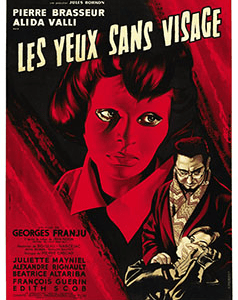
This essay explores the use of masks in digital media, focusing on the films "Eyes Without a Face" and the game "We Happy Few." Both showcase the removal of emotion from characters and the replacement with a neutral state of expression through masks. The comparison reveals insights related to the concept of Tabula Rasa.