- Introduction
- Keyword 1 – Autism
- Keyword 2 – Narrative
- Keyword 3 – Emotion
- Conclusion
- Bibliography
- List of Illustrations
Introduction
Throughout my journey as an artist, I have taken part in all kinds of projects which have tested my limits and allowed me to grow. All of these experiences have now led up to my final years as an art student but before I leave and continue forward in my artistic journey, I need to combine these experiences and narrow down who I am as an artist. In this essay, I will be going through my chosen three keywords (Autism, Narrative, and Emotion) which best define myself and the work that I create as an artist. I will be diving deep into personal experiences associated with the words themselves, how the words are presented in art, as well as the current understanding of the subjects and where they will be progressing in the future. This process will allow me to propose what types of research I would like to study around these words whilst also creating a fully formed research question which will become the foundation of my dissertation.
Keyword 1 – Autism
From a young age, my parents knew that I was neurodivergent from early signs of development. However, an official diagnosis was not set in place until I was of older age due to the worry of carrying an autism label through primary school without the proper support. Studies show that in the UK, around 700,000 people have a diagnosis of autism along with the statistic that one in 100 children obtain a diagnosis someplace on the autistic spectrum (British Medical Association, 2020). This is why I hope to do more in-depth research into the diagnosing process of autism and figure out what tests are currently in place to classify someone as neurodivergent. This will mainly consist of medical academic research from specialists, such as Maryam Khan, Louise Hillary and Helen B. Tager-Flusberg, along with looking more into the diagnosis process through the National Autistic Society (NAS), who inform the National Health Service (NHS) with the testing parameters to identify and diagnose Autism. Researching more in-depth into these discussions of the diagnosing process will allow me to have a better understanding of how diagnosing autism works and what sights to look out for if a child or adult is neurodivergent. It will also help me to have a more extensive knowledge about the varying aspects of autism and what similarities and differences there are between people on the neurodivergent spectrum.
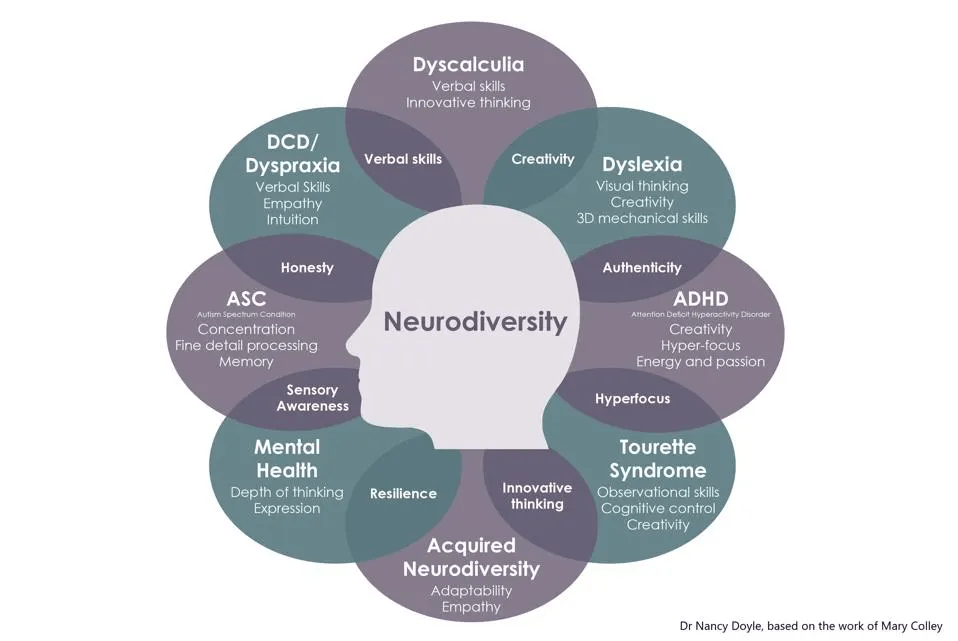
In my experience, being autistic has allowed me to have a different level of perspective when it comes to how I take in the world as well as how I interpret my projects and perceptions of art. Having a unique perspective like this allows me to see my projects from alternative ways, analysing multiple outcomes so that I could figure out which pathway was the best to take for the final result of a project. This kind of perspective has led to psychologists studying and writing journals about topics surrounding creative ability with people on the autism spectrum, allowing for more research to be put into neurodiversity. An example of this is a paper written by Linda Pring titled Creativity in Savant artists with Autism which was a study where they gave tasks to people with Autism Spectrum Disorder (ASD) and Moderate Learning Difficulties (MLD), alongside neurotypical talented art students as well as savant artists with ASD (Pring, 2012). This study was used to ascertain whether the performance of the savant artists came from either their intellectual functioning, their artistic ability or their ASD diagnosis. Therefore, I hope to research more into the works of autistic artists, such as Tim Burton, Stephen Wiltshire and Gregory Blackstock, to get a better understanding of what their process is and how their creative ability has evolved due to being neurodivergent. This research will also help better my understanding of my creative ability by being able to compare my process with other autistic artists in my field to see what similarities and differences there are in our processes.

However, studies into neurodiversity are still new in the grand scheme of things. Society as a whole still views the spectrum as low functioning and as a disorder rather than a variation in the human brain. Rather than seeing neurodiversity as a disability or disorder, it should be seen as a variance that should be accommodated and acknowledged instead of being mocked and used as a form of discrimination (Tompson and Clark 2021). Sadly being autistic causes you to have a label that others can manipulate and judge you as a person without actually getting to know you beforehand. It also does not help that organisations, such as Autism Speaks and Centers for Disease Control and Prevention (CDC), still see autism as a disease that needs to be cured and devote resources to research treatments to cure it as they still view it as a disorder. That is why I hope to research more into organisations that say they support autism but have ulterior motives and see neurodiversity as something that needs to be fixed. I hope that with this research I will have a better understanding of what organisations truthfully support neurodiversity and accommodate it accordingly, and discover new truths about neurodiversity in the ways that it is seen by neurotypical people to learn how to best respond through my art.
Keyword 2 – Narrative
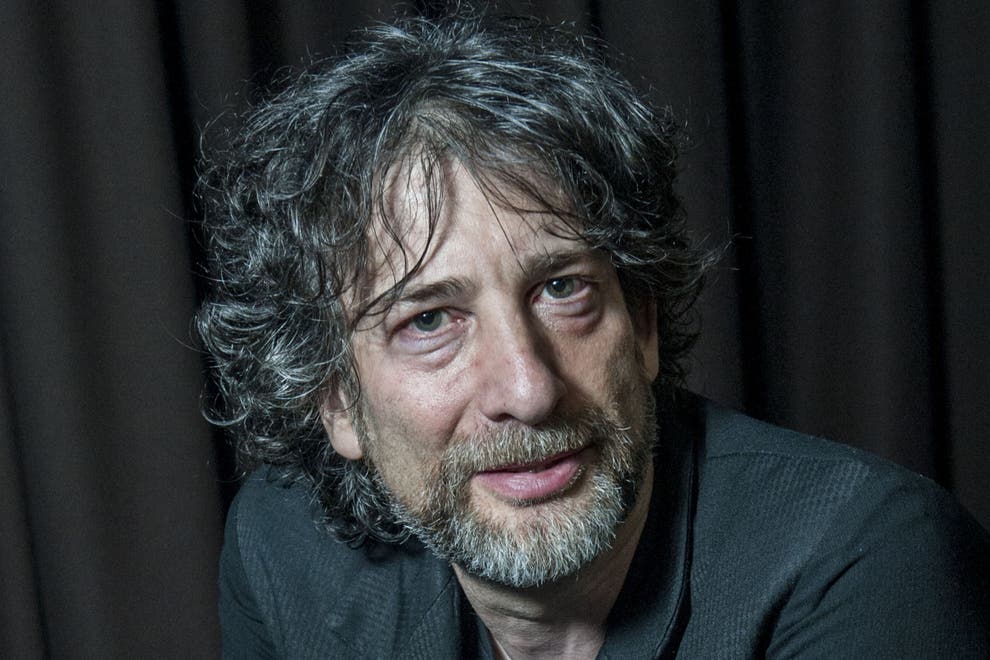
Growing up I was always finding new ways to escape whenever things got either difficult or just boring. Whether it was exploring new worlds through the eyes of someone else or keeping my mind active with puzzles and riddles, I was always able to take my brain out of the stress of life and refresh when times got challenging. As an avid reader and film watcher, deep-diving into stories was the ideal form of escapism because it helped fuel my imagination which in turn helps the quality of how I interpret the world and the briefs that I am given for projects. Incorporating narrative into my work is always my go-to when processing and developing ideas since telling a story is the ideal way of getting audiences to engage with your message (MacDonald, 2020). I hope to be able to research more into the writers and world makers that I have grown up with, from the likes of Neil Gaiman, Darren Shan and Stephen King, and study the ways they structure their narratives to allow more insight into the way they think. This will help give me a stronger understanding of what I can do to develop my narrative structures in hopes I can build my worlds and write my own stories, with future pieces of work I plan to create.
When considering the different forms of narrative that best suit my field of study, I found that animation is the perfect showcase of narrative as an art form due to its ability to tell a story without being limited to the confines of storytelling that restrict methods such as Film and Theatre. The use of animation is discussed as the art of creating the illusion of life which has led to the art of animation being seen through various styles popularised by studios the likes of Pixar and Laika (Bird, 2007). I hope to research further into the works of stop motion animators, such as Henry Selick, Nick Park and Ray Harryhausen, as this method of narrative has a major 3D component that works well alongside my course. This will allow me to have a better understanding of how I can use narrative more effectively in my work as well as look deeper across narrative pieces to analyse interconnecting stories, figuring out how to create an expansive story over multiple pieces of work rather than just a singular piece.

Storytelling has been used throughout history as a way of expressing information in captivating ways so that it is appealing to everyone. Whether it was through myths and folklore, as a way to soothe somebody to sleep, or through tales and fables to teach others a valuable lesson. In recent years, there has been a shift in the art of storytelling due to the invention of E-Books and reading digitally rather than physically. In 2019 the Pew Research Center conducted a survey, taken by 1,502 Americans, where it was found that the majority of people generally preferred physical books over digital forms of reading like E-books along with audiobooks (Ameesha, 2020). The debate between digital and physical forms of storytelling continues due to e-readers becoming a more convenient way to store hundreds of books in one place, even though they are less accessible and affordable, especially in the third world. I hope to dive deeper into studies like this one, along with looking into data provided by companies like the Publishers Association (PA) and the American Association of Publishers (AAP), because I wish to develop more knowledge about current popular forms of storytelling as well as research into new forms of narrative that are being developed so that I have insight on where we can take the use of narrative into the future along with how future types of narrative and storytelling can be adapted into my work.

Keyword 3 – Emotion
As previously mentioned, being autistic can have its benefits when it comes to how the brain interprets the world but it can have its fair share of weaknesses as well. I tend to struggle when it comes to being present in social situations as I am sometimes not able to understand certain social cues such as jokes and sarcasm. I also find it hard to display and discern emotions, whether it be my own or the emotions of others, which I find difficult when it comes to figuring out how someone is feeling as well as never fully understanding how I am feeling. For this reason, I have already devoted a lot of my artistic projects to the study of emotion itself. Whether it is through capturing it in a jar or characterising it as a being, I have found to have a strong interest in emotions and allowed my sense of empathy to heighten in the process. Therefore I hope to study more in-depth into the subject through research from specialists, such as Jeannette Haviland-Jones, Heather Henderson and Anna Shields, so that I can strengthen my understanding as well as build upon my previous emotion-based projects to help better my work in the future.

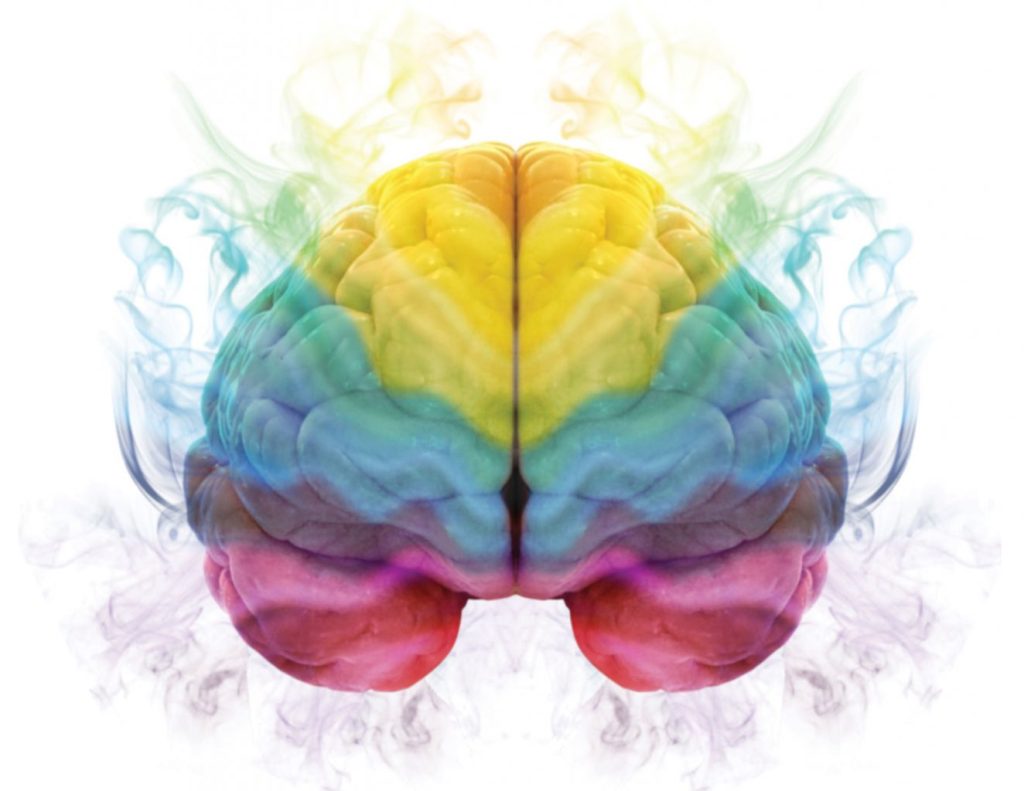
When it comes to the use of emotion in art, it can be taken several ways depending on your standpoint of the subject. Emotion in art is most commonly showcased in therapeutic practises as a natural and safe way for patients to express themselves and present how they are feeling. It is also a method to allow children to better express their emotions by giving them a creative outlet where they are free to experiment, create stories, use metaphors to represent feelings and even make a mess in a safe environment (Dr Sue King-Smith, 2020). I hope to research further into the field of art therapy, through the works of experts Olena Darewych and Rachel Brandoff, so that I can analyse the benefits of art in therapeutic practice as well as learn more about emotions themselves which will allow me to better my understanding on the subject. This research will help give me an insight into the methods used within art therapy, allowing me an inside look at the proceedings used in the practice and what I can do to help better express my emotions in future pieces of work. Hopefully, with a better understanding of emotion itself, I can research more in-depth into the impact of emotion that art possesses and how using different emotions as the foundation for artwork can change the piece from how it was originally conceived.
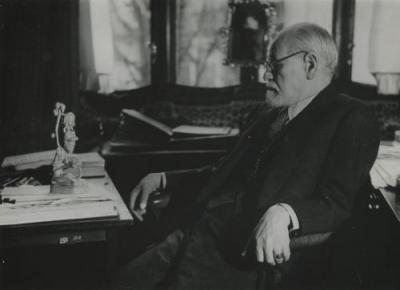
For my previous studies on emotion, I looked deeply into the origins of how exactly emotions were expressed and studied. The research itself consisted of looking at the work of philosophers, such as John Locke and Friedrich Nietzsche, to help inform on topics surrounding human understanding which then led me to the beginning of psychoanalysis. Psychoanalysis was a form of psychology founded by Sigmund Freud, a world-renowned neurologist who in his life developed groundbreaking theories discussing the nature and workings of the human mind. (Eleanor Sawbride Burton, 2015) These works went on to have an immense impact on psychology as a whole, discussing ideas such as The Interpretation of Dreams and The Superego. However, with this understanding of the origin of psychoanalysis, I am unaware of studies being researched by current psychoanalysts and how the study of psychoanalysis has progressed since the impact of Freud. That is why I hope to look more in-depth into the research of experts in Psychoanalysis, such as Kate Harper, Clive Thompson and Ellen S. Golub, to see if there have been any developments on the work of Freud as well as to achieve a better understanding of what current discussions are taking place about the inner workings of the brain. With this information, I hope to find out where studies of expression and emotion are headed and what they can evolve into in the future.
Conclusion
To summarise, by researching the area around my three keywords; Autism, Narrative and Emotion will lead me to develop and grow as an artist. Researching deeper into the studies surrounding Neurodiversity, and the Creative Abilities of Autistic Artists, such as Tim Burton, Stephen Wiltshire and Gregory Blackstock, along with looking into autism-supporting societies and organisations to allow for a more thorough understanding of Autism and myself. Diving deep into my passion for Narrative by studying the works of Henry Selick, Nick Park and Ray Harryhausen in more depth to understand stop motion animation and the writers who have influenced my work, as well as reading through analytical data of publishing to determine what the art form of storytelling will evolve into in the future. Finally, I intend to explore work on emotion, focusing on its usage in therapeutic practices along with how it is being researched in the field of Psychoanalysis through the minds of Kate Harper, Clive Thompson and Ellen S. Golub. With this research, I hope to figure out a question that will define my dissertation whilst also broadening my understanding of all the subjects to better myself and become the best artist I can be going forward
Bibliography
Books
Fitzgerald, M. (2015) Autism Spectrum Disorder – Recent Advances. Croatia: IntechOpen.
Gaiman, N. (2013) Make Good Art. London: Headline.
Gaiman, N. (2018) Art Matters. London: Headline.
Goldsmith, A. et al. (2013) Psychodynamic Art Therapy Practice with People on the Autistic Spectrum. Milton Park: Taylor & Francis.
Mollon, P. (2000) Ideas in Psychoanalysis: The Unconscious. Cambridge: Icon Books UK.
Mullin, J. (2014) Drawing Autism. New York: Akashic Books.
Roth, P. (2001) Ideas in Psychoanalysis: The Superego. Cambridge: Icon Books UK.
Segal, J. (2000) Ideas in Psychoanalysis: Phantasy. Cambridge: Icon Books UK.
Wing, L. (2012) The Autism Spectrum. Revised edn. London: Little. Brown Book Group.
Blog Posts
Ameesha (2020) ‘Physical Books vs. e-books: which are more popular?’, The Book Shelf Ltd. [blog]. 22 September. Available at: https://thebookshelf.ltd/2020/09/22/physical-books-vs-e-books-which-are-more-popular/ (Accessed: 14 May 2021).
Amidi, A (2007) ‘Brad Bird Podcast Interview’, Cartoon Brew [blog] Available at:https://www.cartoonbrew.com/animators/brad-bird-interview-3-2624.html (Accessed: 14 May 2021).
Artsology (2011) ‘Emotion in Art – How do artists depict emotion in art?’, Artsology [blog]. Available at: https://artsology.com/emotion-in-art.php (Accessed: 15 May 2021).
King-Smith, S. (2020) ‘Helping children express emotions through art’, Innovative Resources [blog]. 22 January. Available at: https://innovativeresources.org/helping-children-express-emotions-through-art/ (Accessed: 15 May 2021).
MacDonald, G. (2020) ‘Six reasons why stories are more effective than statistics’, LinkedIn [blog]. 25 November. Available at: https://business.linkedin.com/en-uk/marketing-solutions/blog/posts/content-marketing/2020/Six-reasons-why-stories-are-more-effective-than-statistics (Accessed: 13 May 2021).
Popova, M. (2011) ‘Before Walt Disney: 5 Pioneers of Early Animation’, The Atlantic [blog]. 5 July. Available at: https://www.theatlantic.com/entertainment/archive/2011/07/before-walt-disney-5-pioneers-of-early-animation/241448/ (Accessed: 14 May 2021).
Sawbridge Burton, E. (2015) ‘Sigmund Freud’, Institute of Psychoanalysis – British Psychoanalytical Society [blog]. Available at: https://psychoanalysis.org.uk/our-authors-and-theorists/sigmund-freud (Accessed: 15 May 2021).Thompson, S. Clark, J. (2021) ‘Neurodiversity: difference or disability?’, Communicourt [blog]. 19 March.Available at: https://www.communicourt.co.uk/news/neurodiversity-difference-or-disability/ (Accessed: 13 May 2021).
Journals
Pring, L. Ryder, N. Crane, L. (2012) ‘Creativity in savant artists with autism’, Autism, 16(1), pp. 45-57. DOI: 10.1177/1362361311403783.
Websites
Autism Speaks (2021) Autism Speaks. Available at: https://www.autismspeaks.org/ (Accessed: 13 May 2021).
British Medical Association (2020) Autism Spectrum Disorder. Available at: https://www.bma.org.uk/what-we-do/population-health/child-health/autism-spectrum-disorder (Accessed: 12 May 2021).
Centers for Disease Control and Prevention (2021) Autism Spectrum Disorder (ASD). Available at: https://www.cdc.gov/ncbddd/autism/index.html (Accessed: 13 May 2021).
Expertise Finder (2021) Expertise Finder. Available at: https://expertisefinder.com/ (Accessed: 15 May 2021).Laika (2021) Laika – Who we are. Available at: https://www.laika.com/who-we-are (Accessed: 14 May 2021).
List of Illustrations
Figure 1: Doyle, N. (2020) The Overlapping Strengths of Neurodiversity [Diagram]. Available at: https://www.forbes.com/sites/drnancydoyle/2020/03/24/the-world-needs-neurodiversity-unusual-times-call-for-unusual-thinking/?sh=35a42bff6db2 (Accessed: 16 May 2021).
Figure 2: IMDb (2020) Tim Burton. Available at: https://www.imdb.com/name/nm0000318/?ref_=nmmi_mi_nm (Accessed: 16 May 2021).
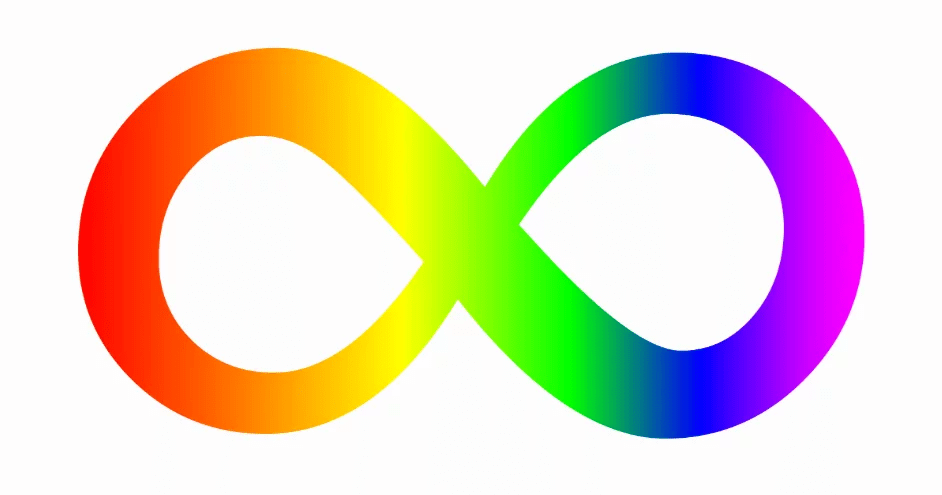
Figure 3: Kelly, R. (2020) Neurodiversity: The Definitive Guide [Illustration], Available at: https://blog.ongig.com/diversity-and-inclusion/neurodiversity/ (Accessed: 16 May 2021).
Figure 4: Rex Features (2020) Neil Gaiman. Available at: https://www.independent.co.uk/arts-entertainment/tv/features/neil-gaiman-interview-boris-johnson-uk-lockdown-b1777567.html (Accessed: 16 May 2021).
Figure 5: McLean, T. (2018) ‘Henry Selick to Direct Peele, Key in ‘Wendell and Wild’’, Animation World Network [blog]. Available at:https://www.awn.com/news/henry-selick-direct-peele-key-wendell-and-wild (Accessed: 16 May 2021).
Figure 6: Pew Research Center (2021) Pew Research Center Logo [Logo]. Available at: https://www.pewresearch.org/ (Accessed: 16 May 2021).
Figure 7: Mathias, S. (2019) Tabula Rasa [Installation]. Alex Building, Swansea. (Viewed: 16 May 2021).
Figure 8: Joan Fard, F (2015) The Expanding Reach of Art Therapy [Illustration]. Available at: https://artbusinessnews.com/2015/12/the-expanding-reach-of-art-therapy/ (Accessed: 16 May 2021).
Figure 9: Sawbridge Burton, E. (2015) ‘Sigmund Freud’, Institute of Psychoanalysis – British Psychoanalytical Society [blog]. Available at: https://psychoanalysis.org.uk/our-authors-and-theorists/sigmund-freud (Accessed: 15 May 2021).

 Samuel Mathias