
In the summer when I was transitioning from the foundation to the BA course, I was given a task to showcase myself as a Magpie Artist which is essentially an artist who hoards whatever materials they can find concerning their craft. This involved keeping a Magpie Diary and categorising all of the materials I had in my possession by their various qualities. I even took it a step further and used the analytical side of my brain to map these qualities in a spreadsheet to be able to better see which materials had similar qualities to one another. This summer project was then tasked to us as the basis for our first project on the course and what follows is my process from A to B.
Hoarding Mental Mapping
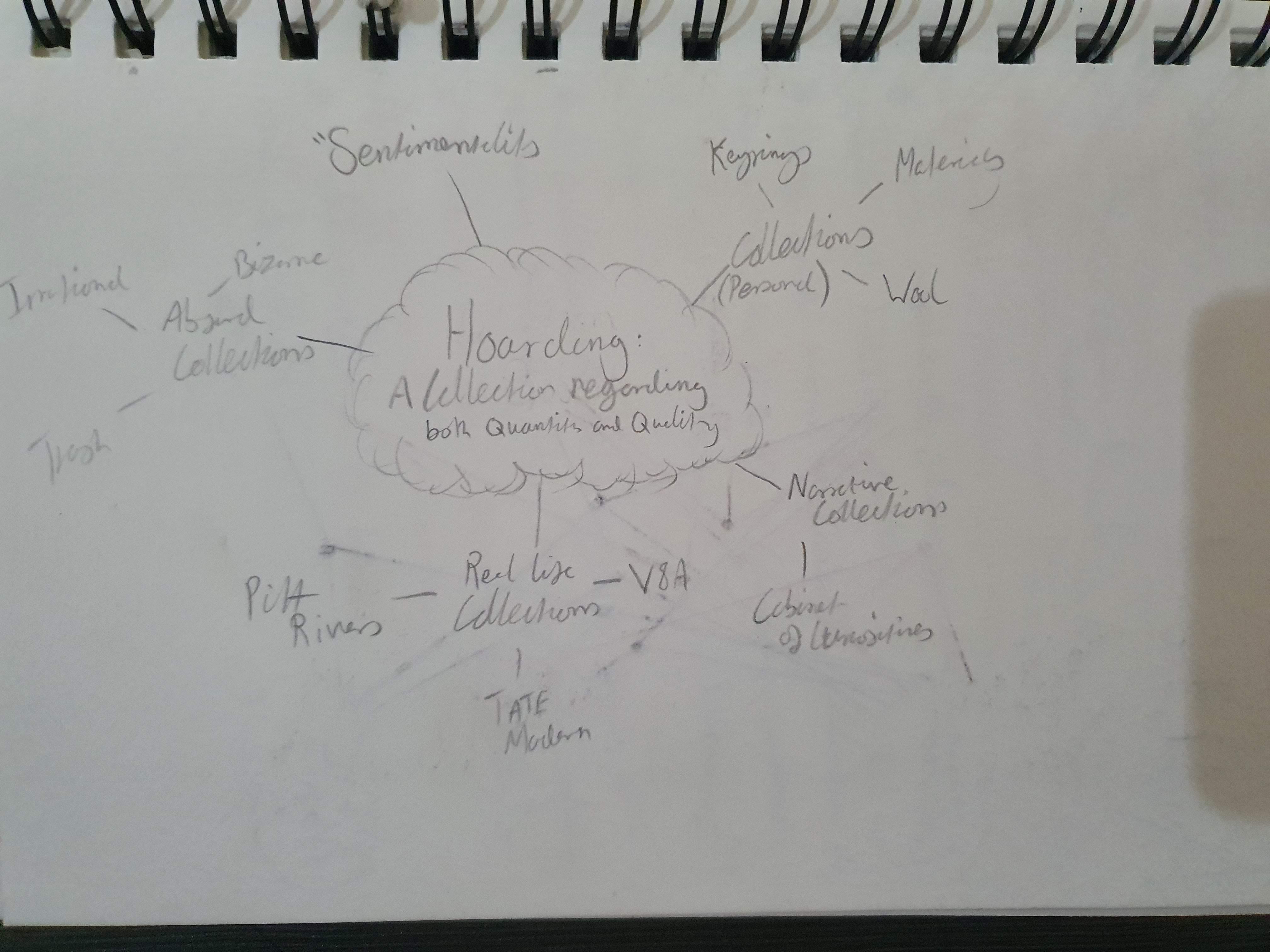
Once I was given the brief on the project itself, I started things how I usually do by mapping out all the aspects I could initially explore on a mind map, trying to piece together the connections I could follow in regards to what kind of final piece I wanted to produce. As a lot of what I usually make falls into the bizarre category of creations, I wanted my hoarding piece to be a showcase of the peculiar but also tell a story with what I wanted to showcase. I also wanted the concept of sentimentality to be at the centre since when it comes to collections, I see my way of hoarding more as a need for wanting to give broken and unwanted things a new life in either a similar or entirely different form.
Concept Combination
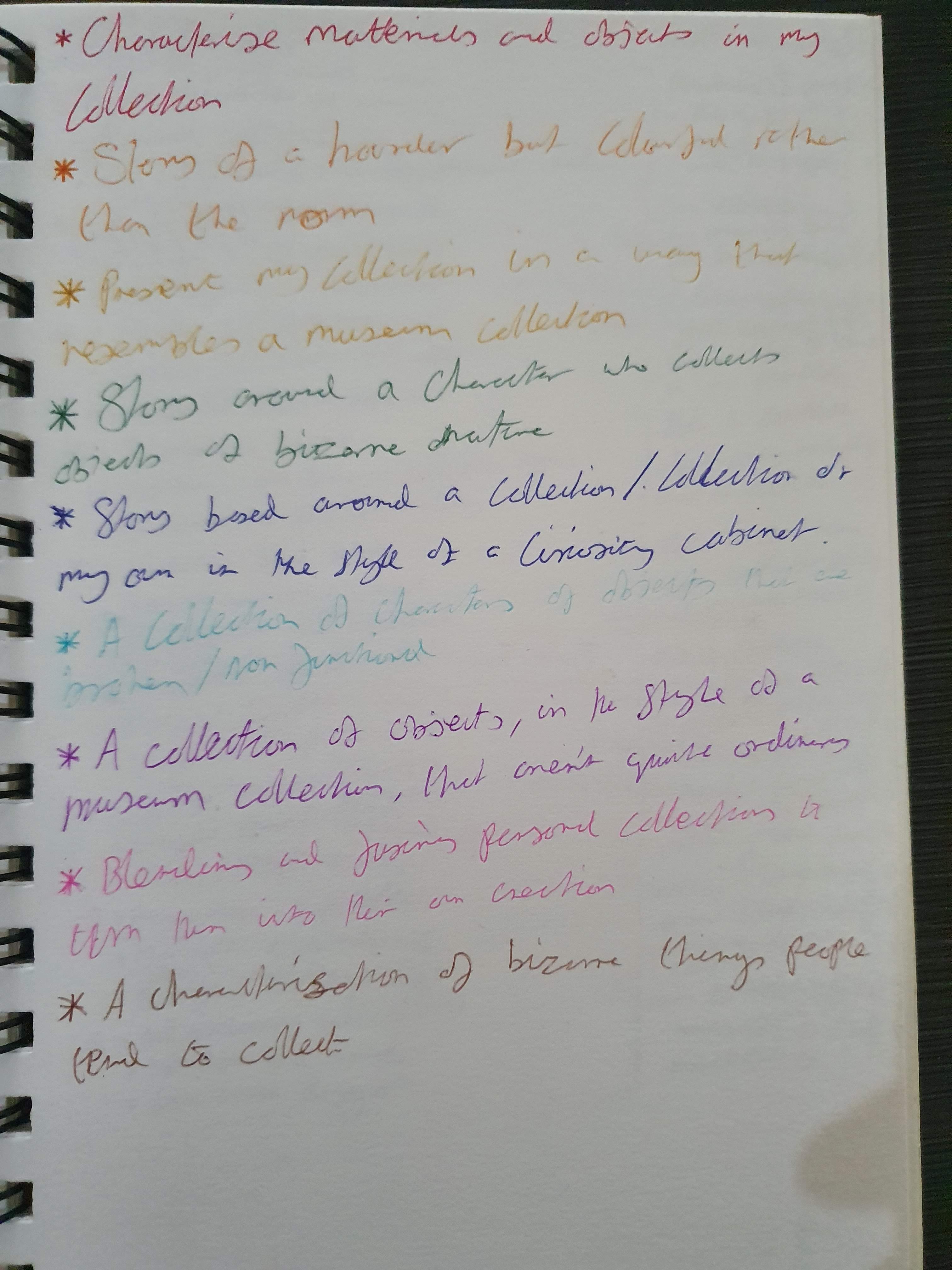
After figuring out what kind of concepts I wanted to explore with this project, I started noting down the core ones and tried to see which ones I could combine to create a list of expanded ideas. This way I could try and weave as many of my core thoughts into my ideas as possible without having to sacrifice certain aspects in regards to what shows up in the final piece. This also gave me a launching pad into what experimentation and research I could look into to further develop my way of thinking and what kind of objects I could craft.

London Trip – 4 Types of Making
As I wasn’t sure what kind of end result I was going to create for this project, I decided to take note of all the artists I found influential on this London trip and sort them by ways of their practicality. I did this by separating them into the four categories of Wearable, Decorative, Functional and Cultural, as a way of easily looking towards a select group of artists to research further once I had figured out what kind of practical use my objects would hold.

Idea Expansion
Now that I had looked over some artists and had my ideas sort of spiralling in my head, the next step was to try and get as many down on paper so that the core details wouldn’t fade. I got around 8 clear ideas deep before I started scraping the barrel for weird details and concepts. Still, once they were all put onto paper, I began to break them down and figure out which ones were most plausible and what elements from others I could combine together to form my primary idea.

Main Idea Components
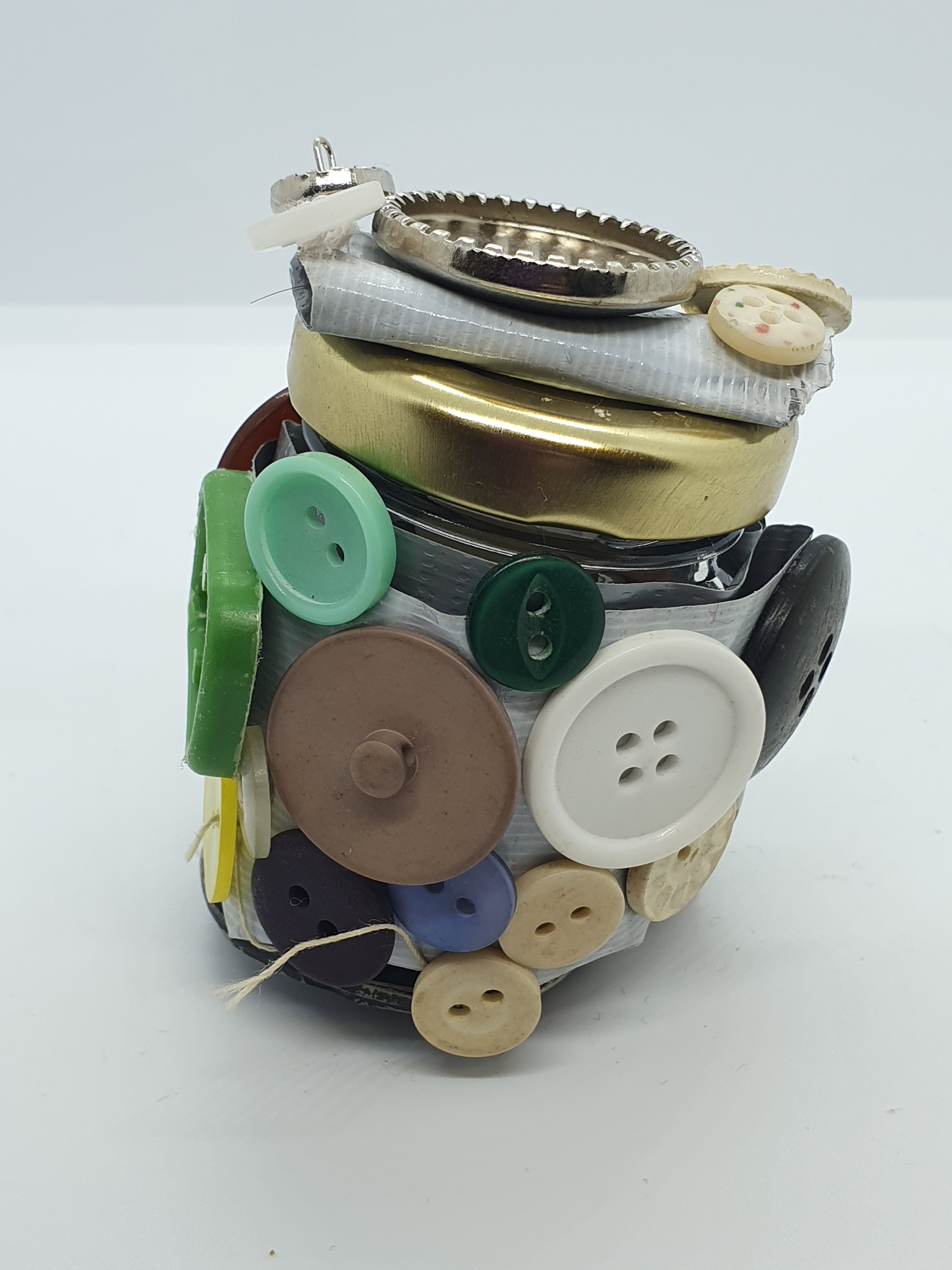
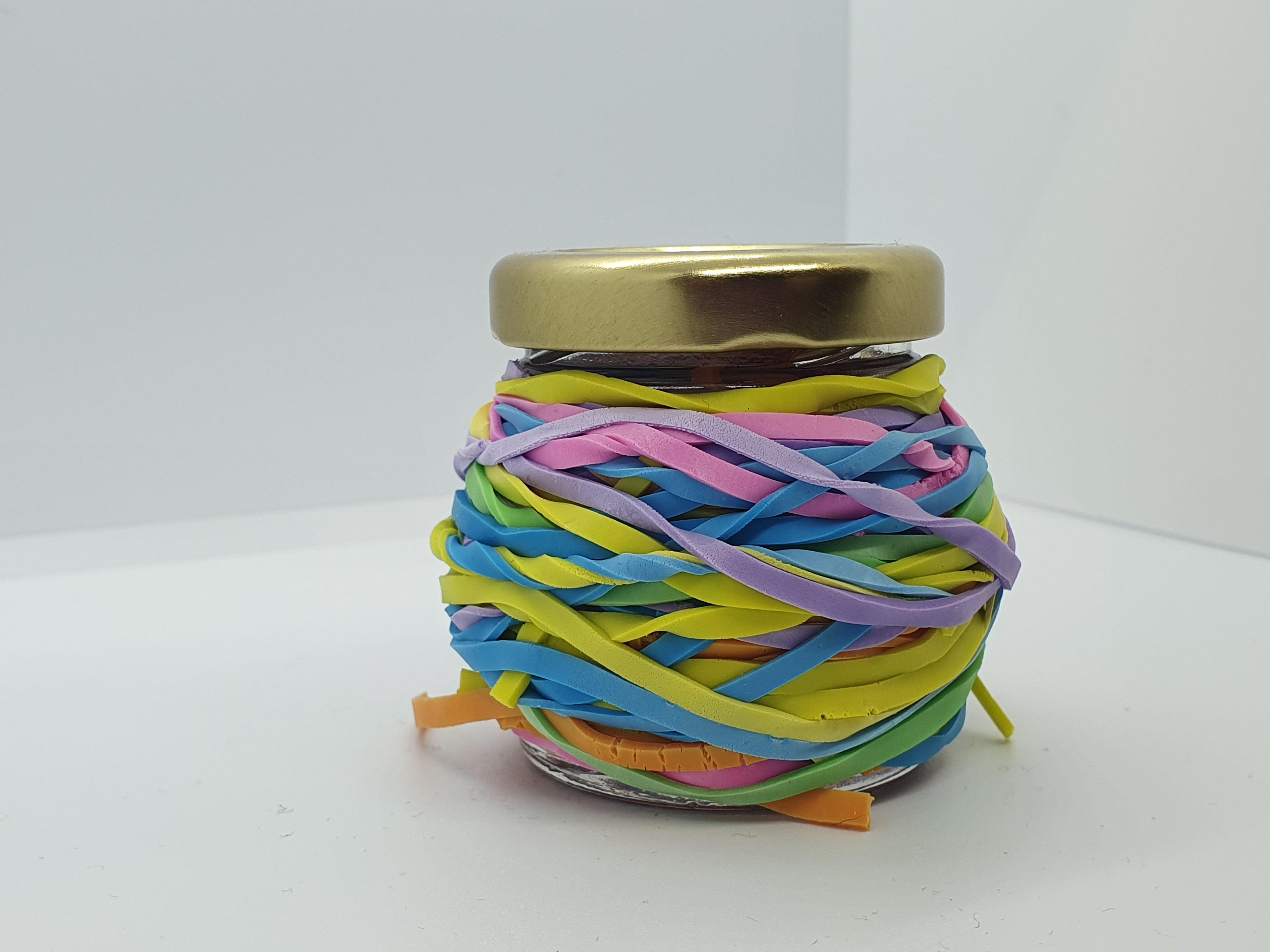
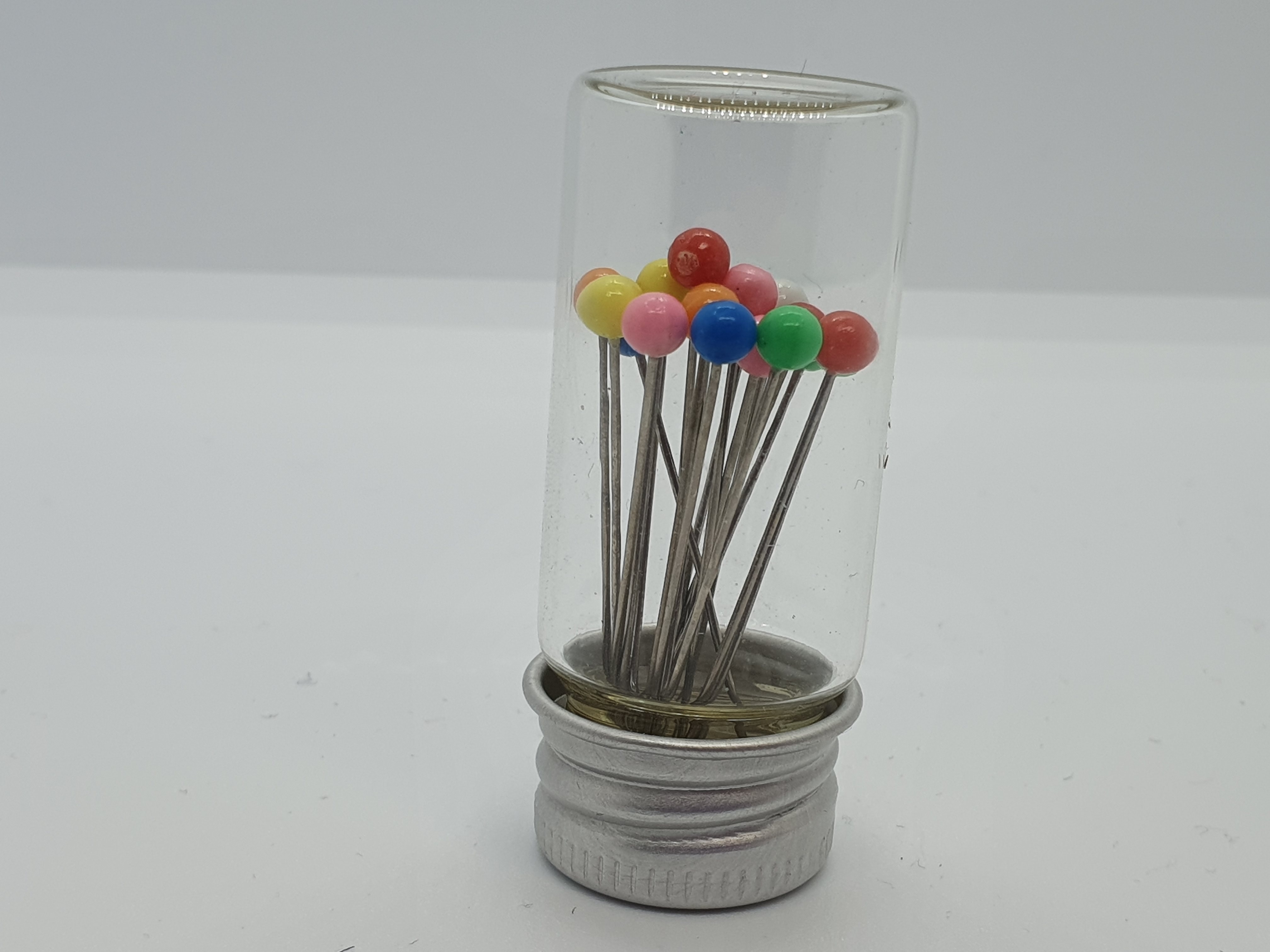
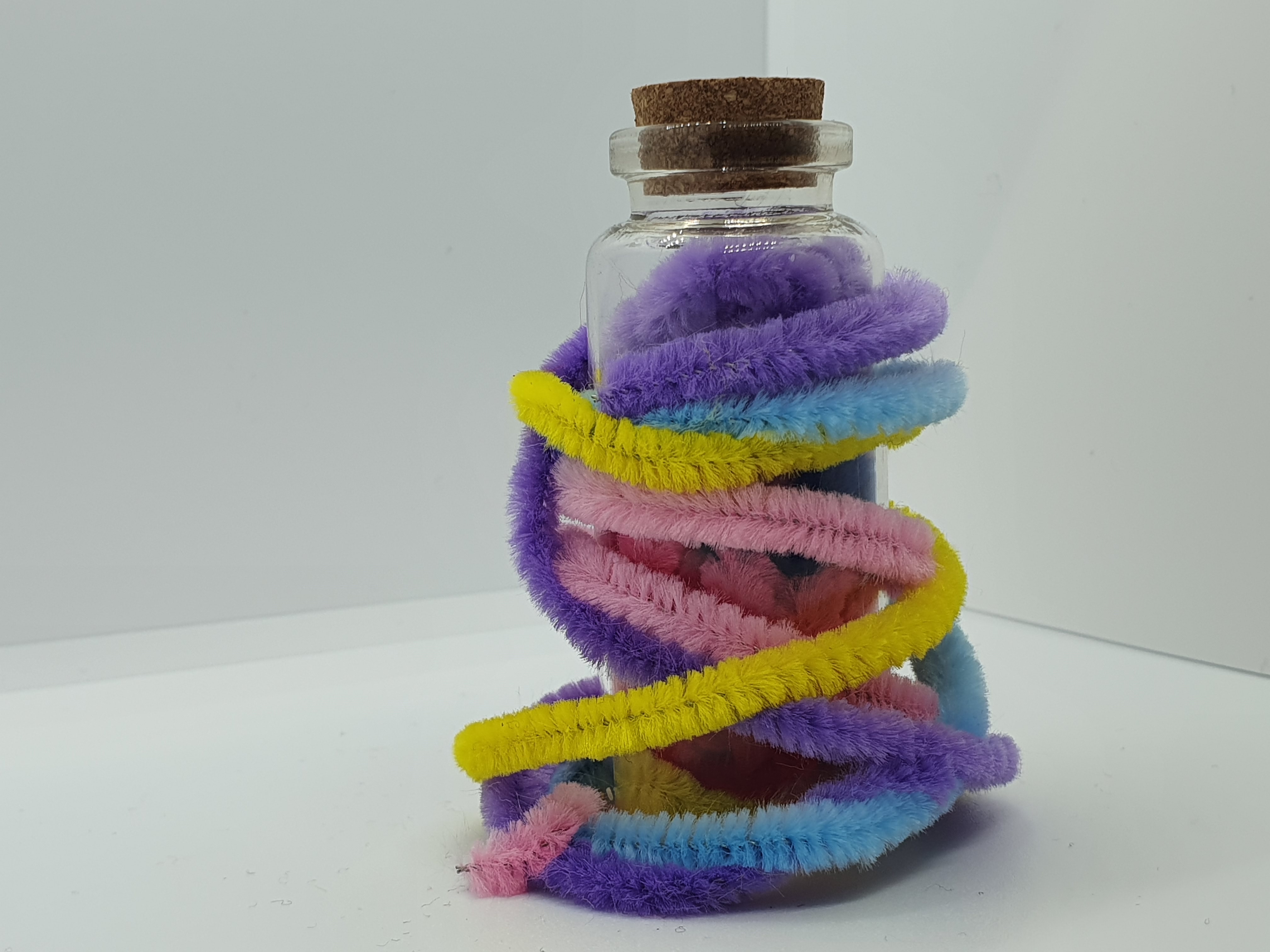
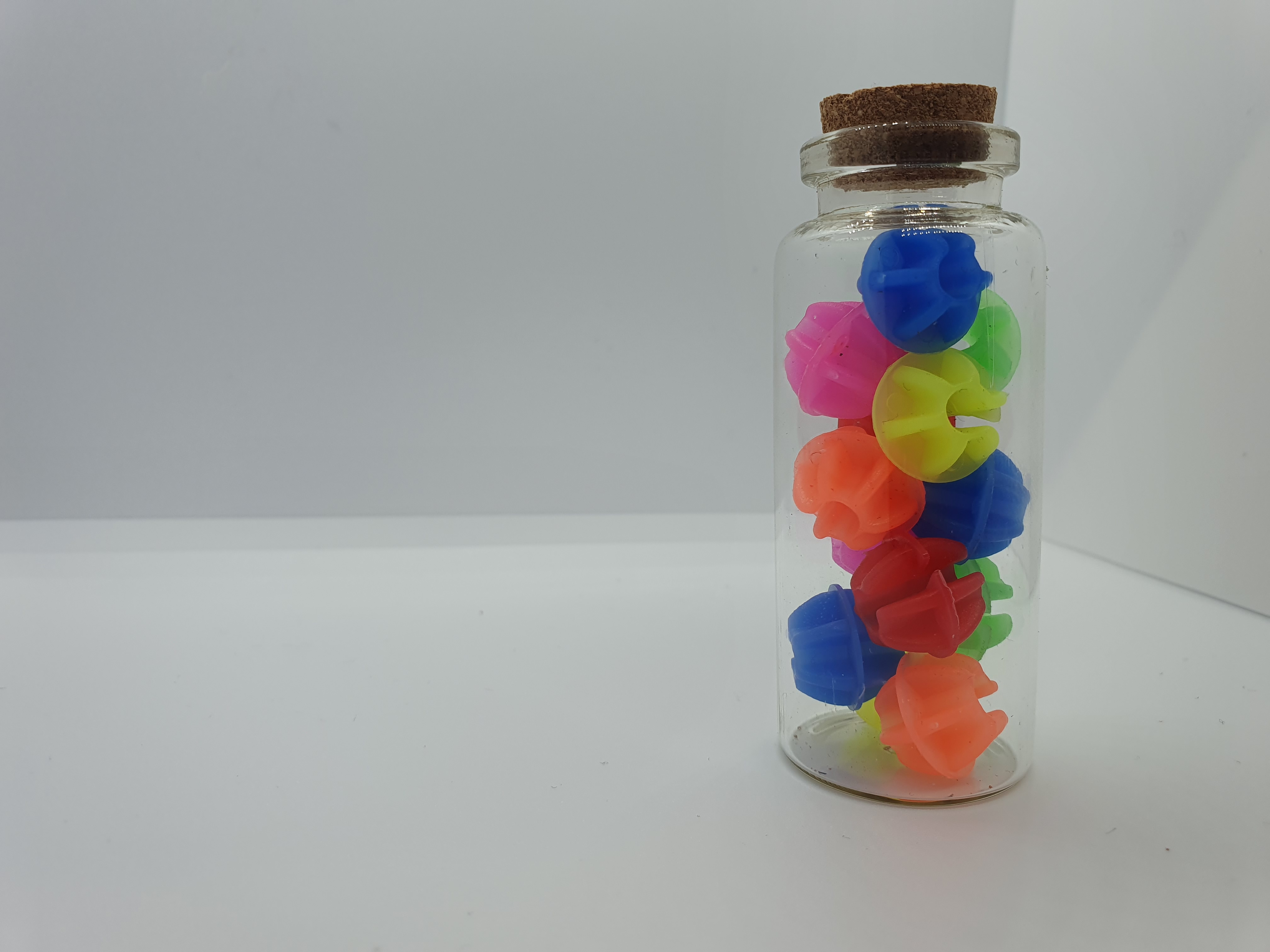
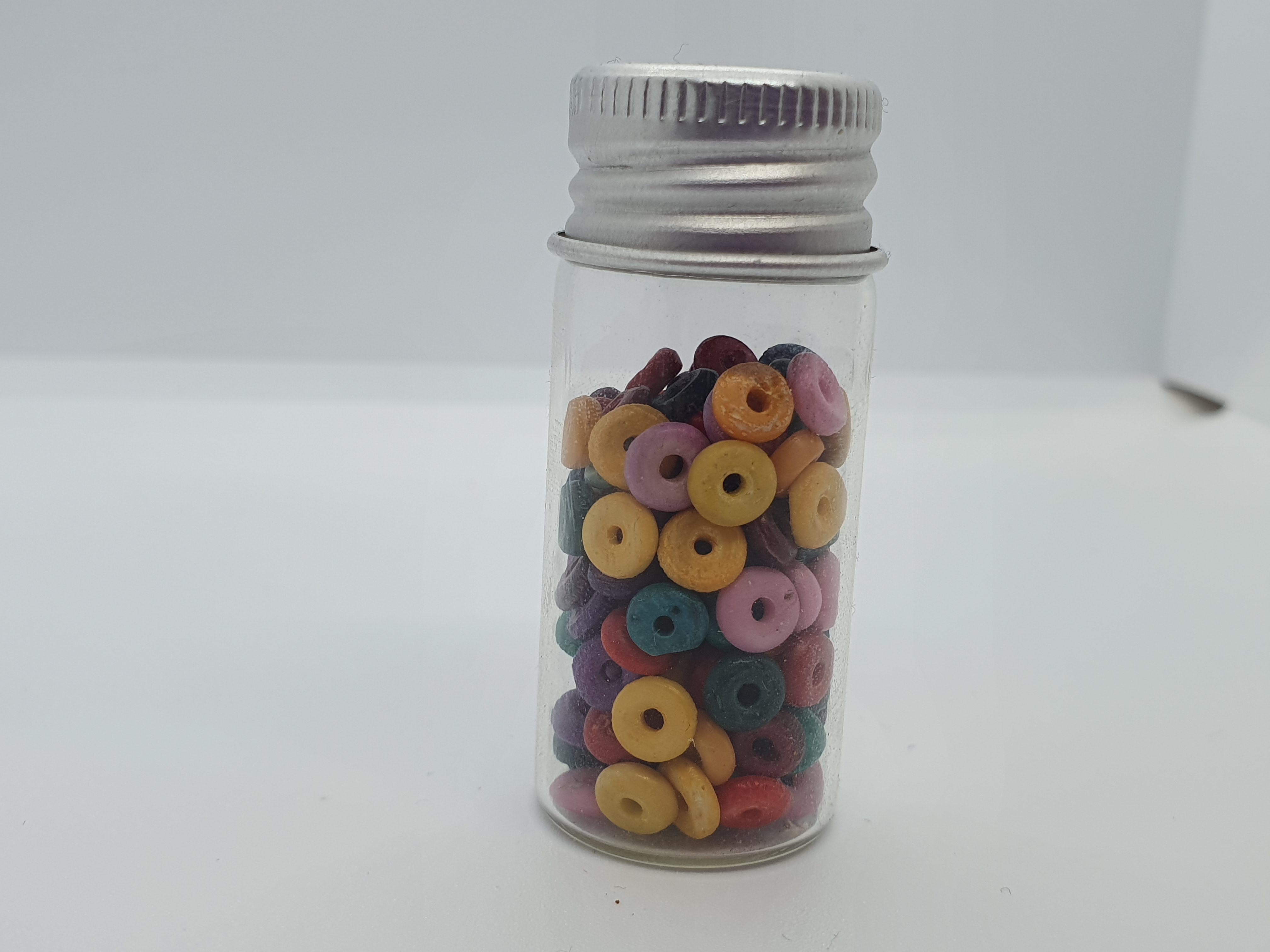
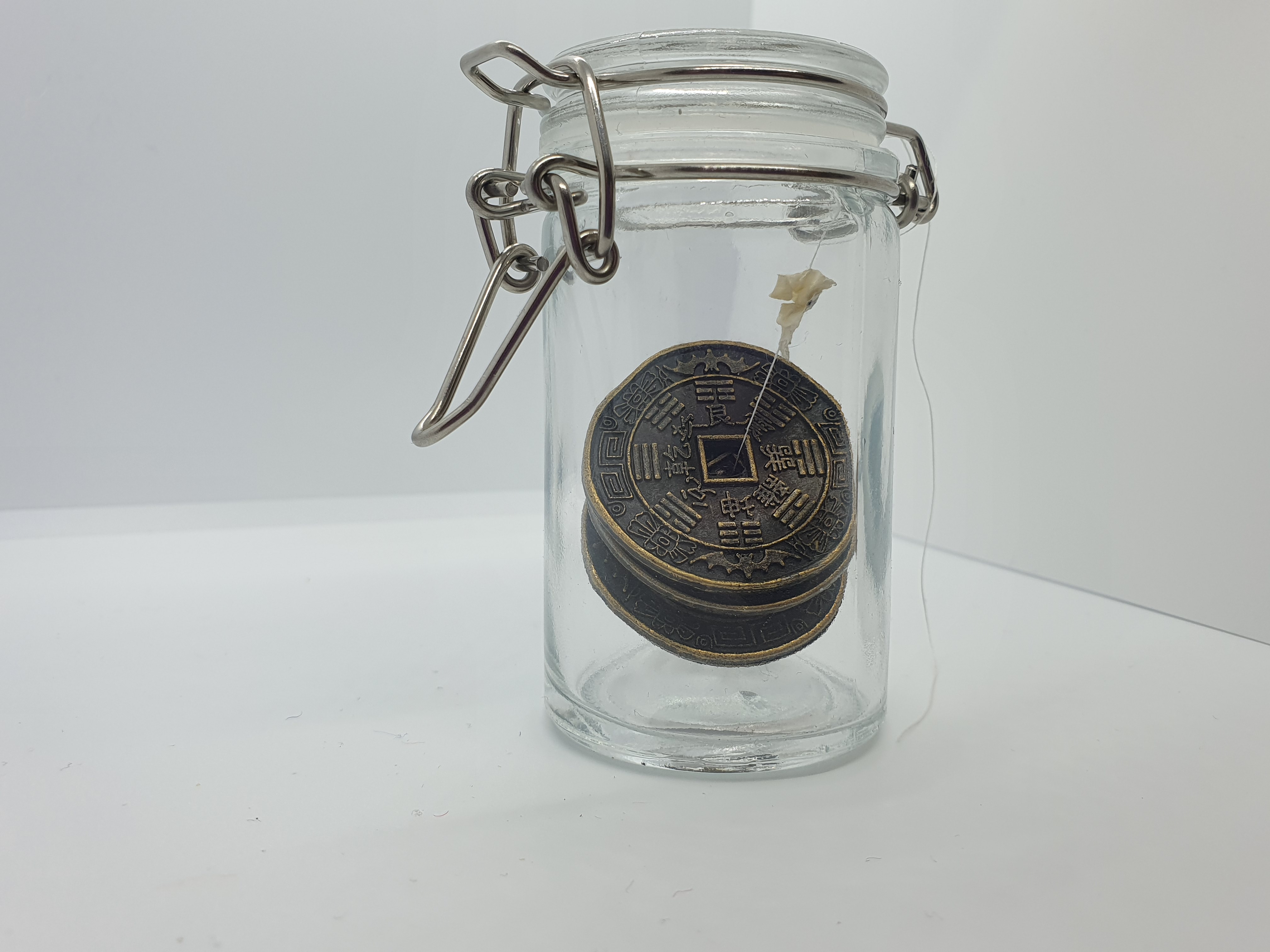
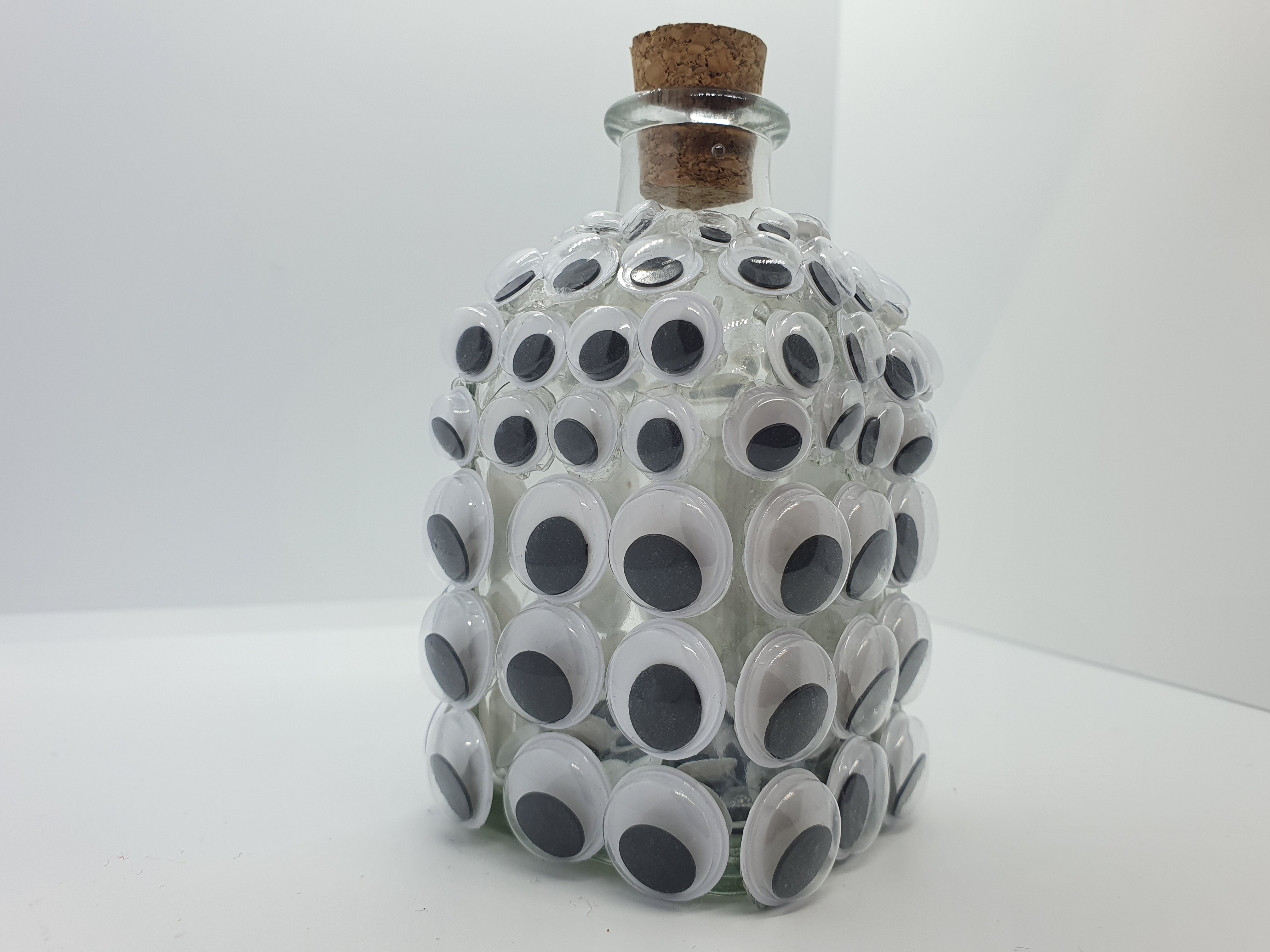
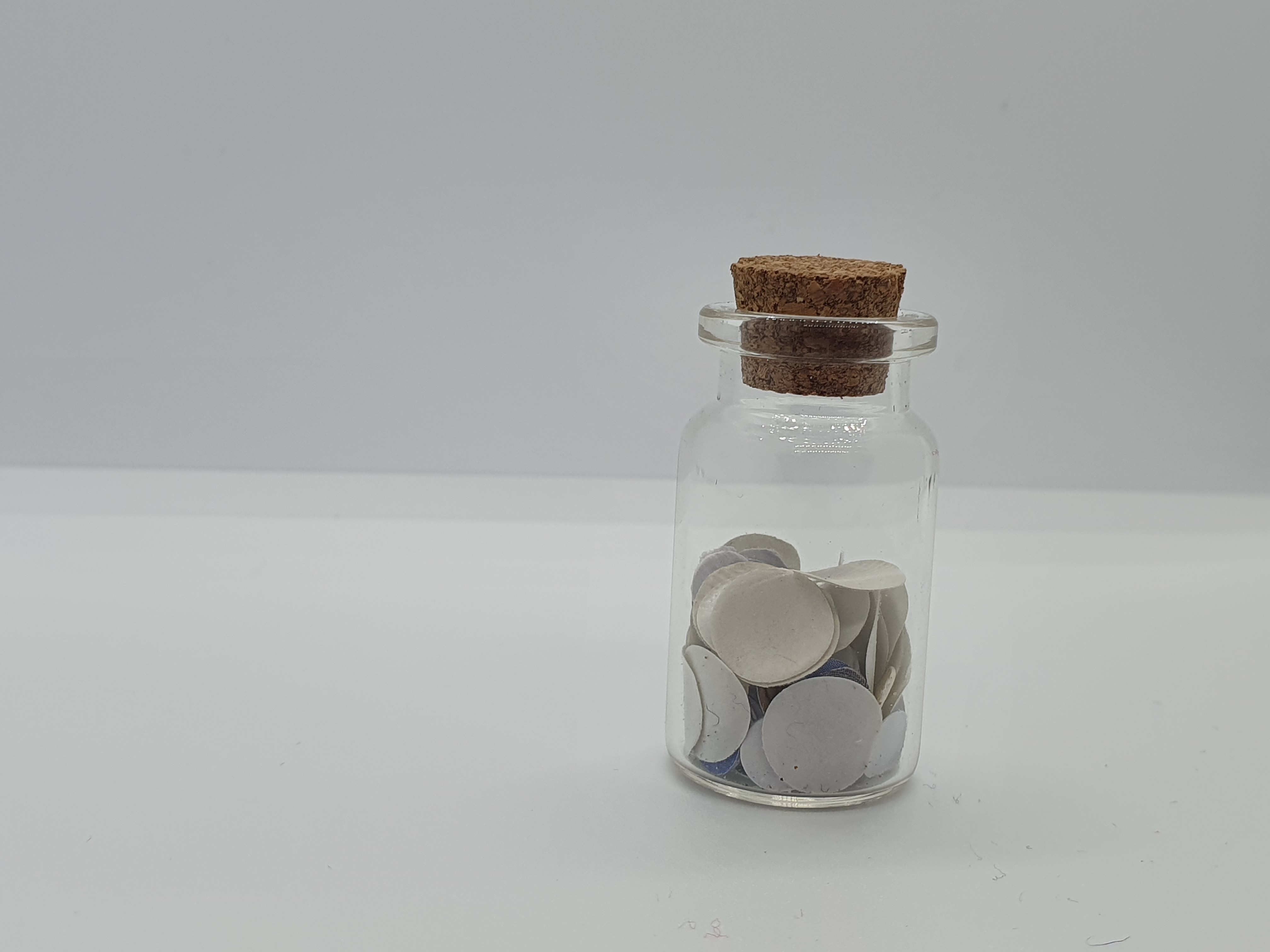
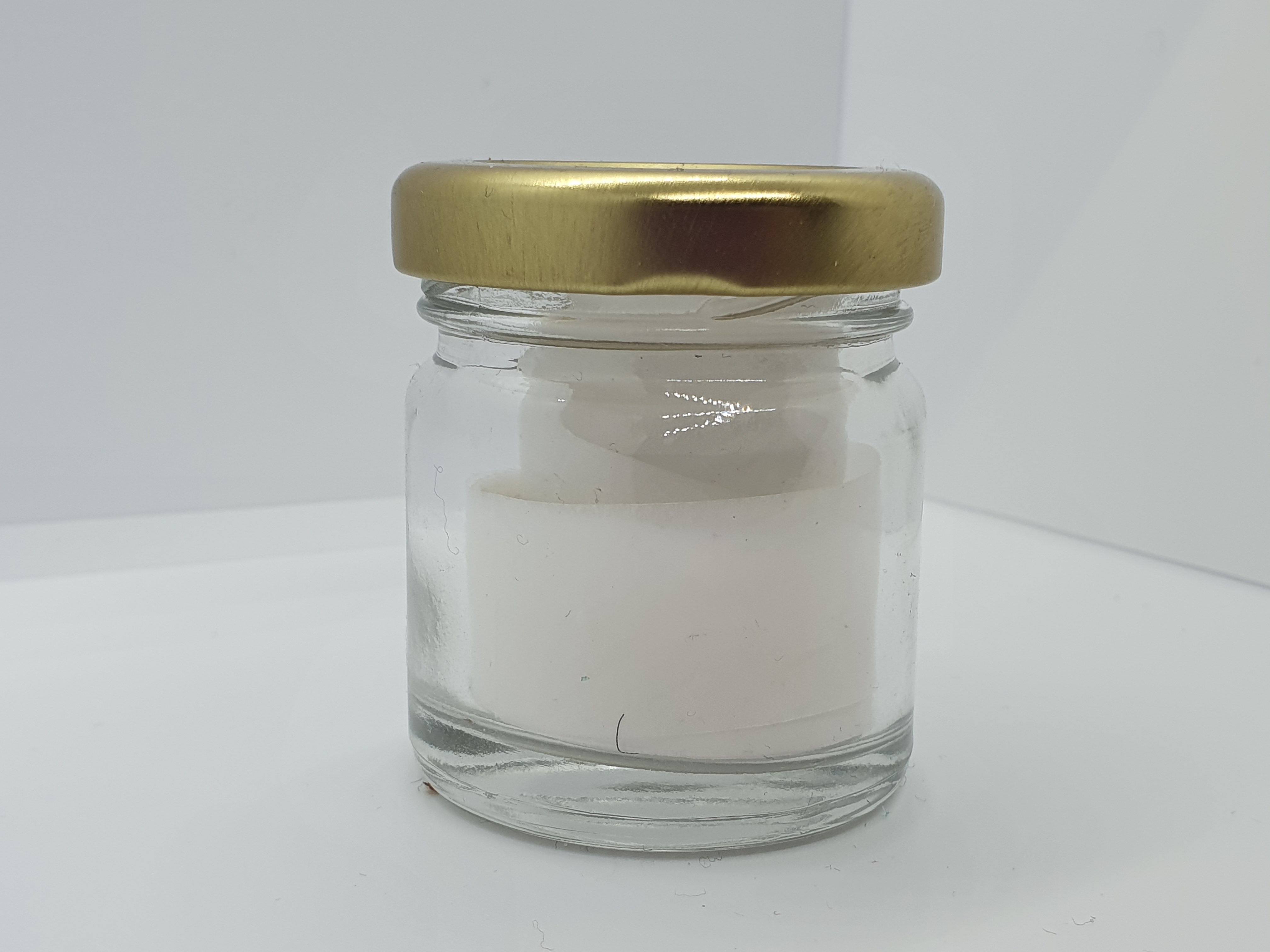
With a clearer picture of what my main idea was going to look like, I started to disassemble all of the components so that I could properly visualise what I wanted to achieve rather than just have the figments float around in my head. I knew that I wanted to collections to be based around the materials in a way of showcasing them as summarised forms, placing them in capsules that perfectly captured the essence in a fun, whimsical way. I also planned for a narrative to work alongside this plan, placing the jars into a shop format where a peculiar shopkeeper would sell and/or make the objects but instead of being paid in a typical manner, they would instead take more pride over sentimental value.



Narrative Planning
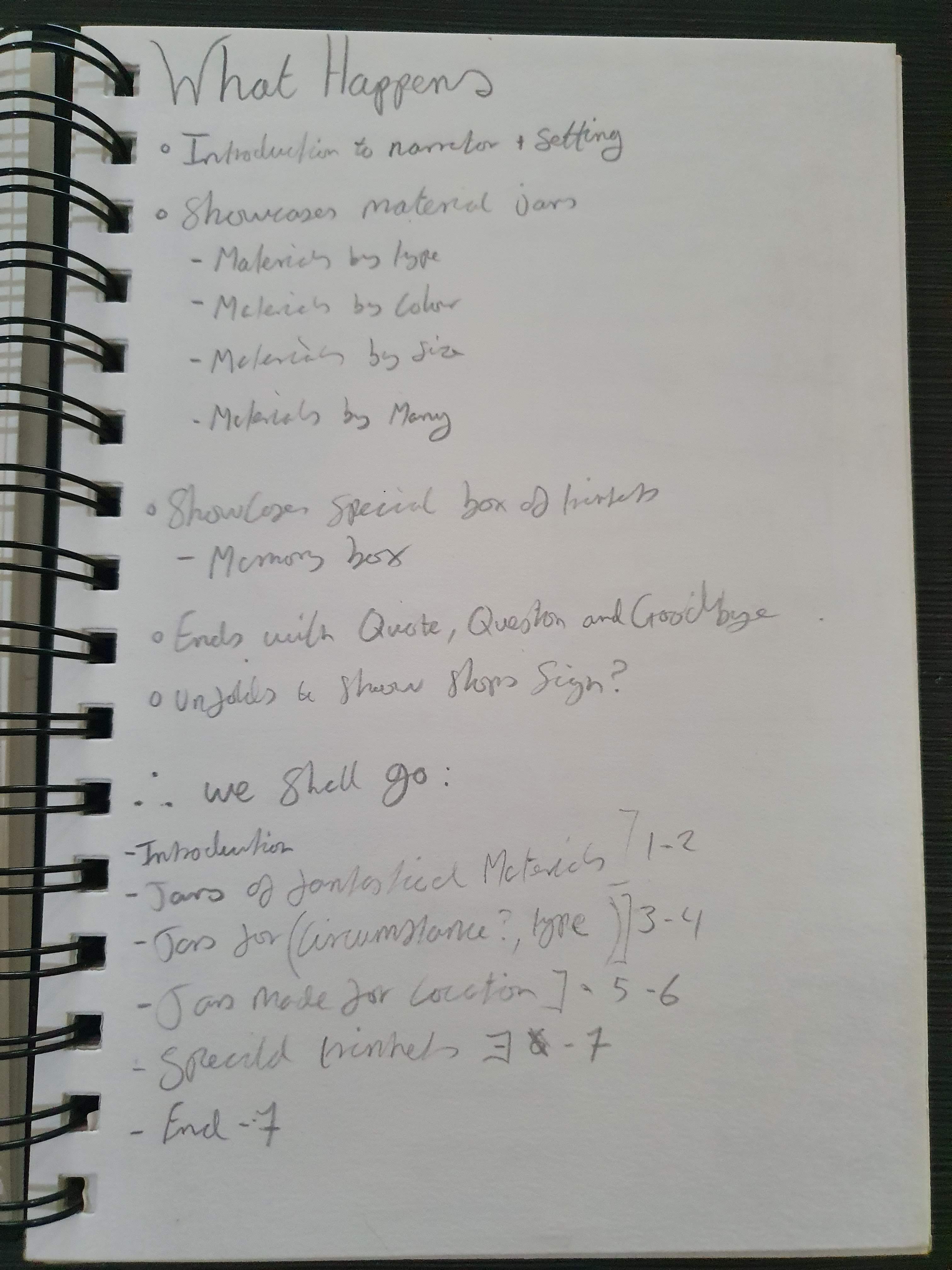
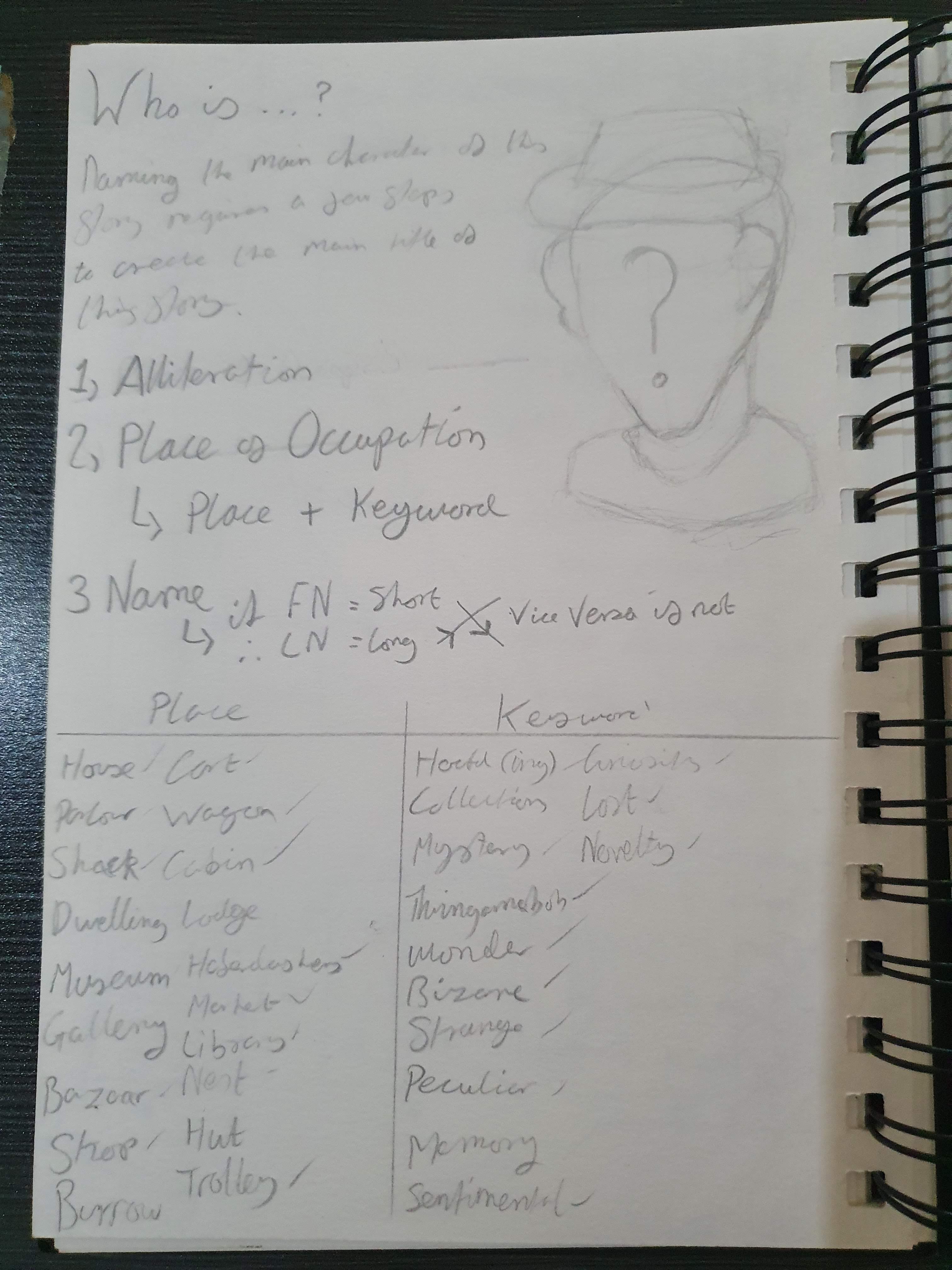
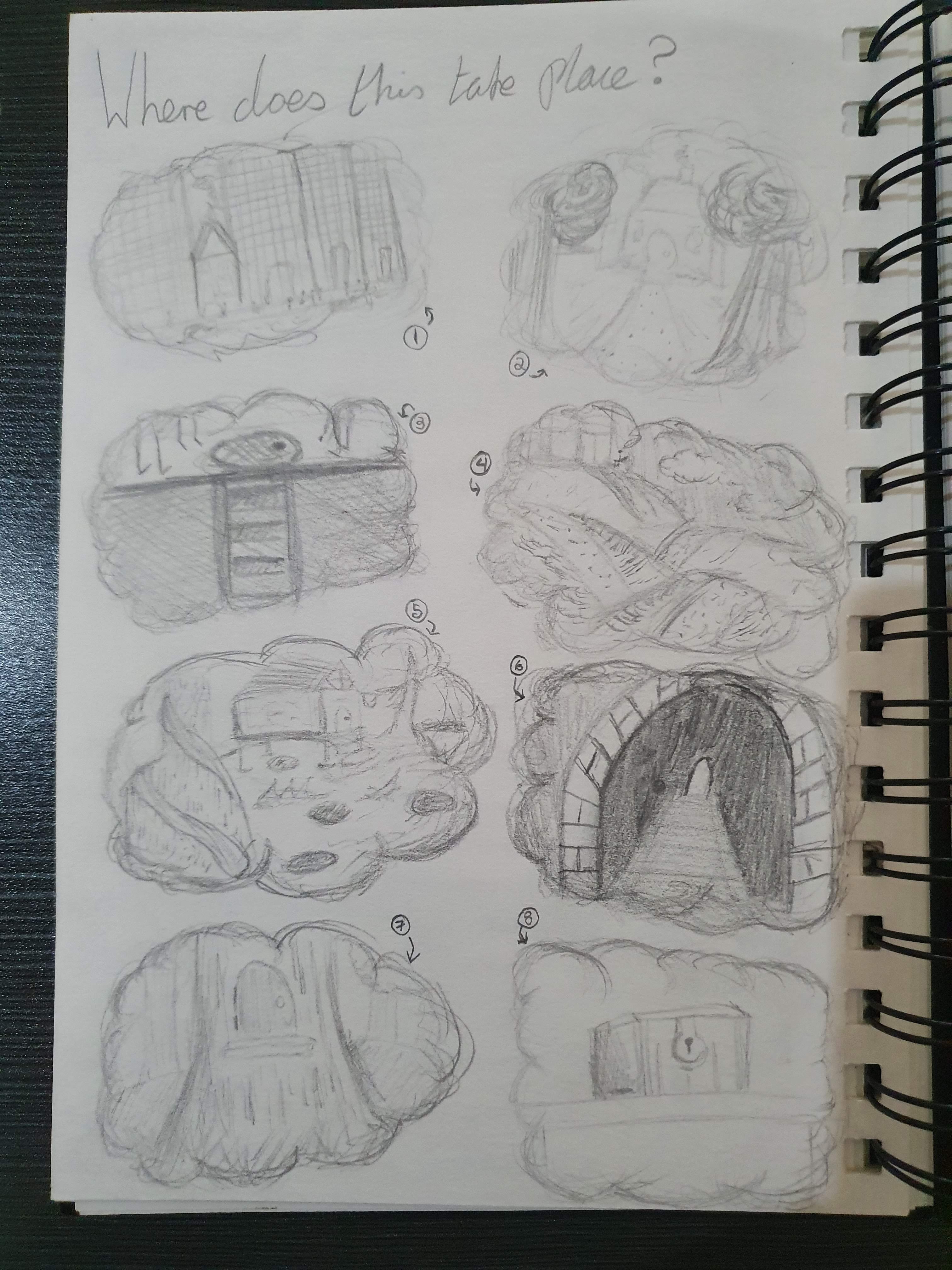
Sadly when it came to the story itself, it was unable to be shown fully the way I wanted it to in the end result. Due to a personal family matter, the workload shifted and I had to shelve the story. However, it was something that stayed central throughout the process and it was fully planned out so if I ever wanted to bring new life to the story itself I could. One of the main aspects I enjoyed most about this process was coming up with the name of my central character. As a lover of absurd names and alliteration, I knew I wanted the protagonist and title of their story to be a long, fantastical mouthful to utter. To achieve this, I basically combined place names with keywords I wanted to use to describe the place within the story, and with those then combined shop names I wrote a long list of absurd last names which gave a few potential candidates of what I could use. I fell in love with all of the names I came up with and even though I was forced to choose one, I will definitely come back to this list and bring new life to the names themselves in some way.



Labels & Insignia
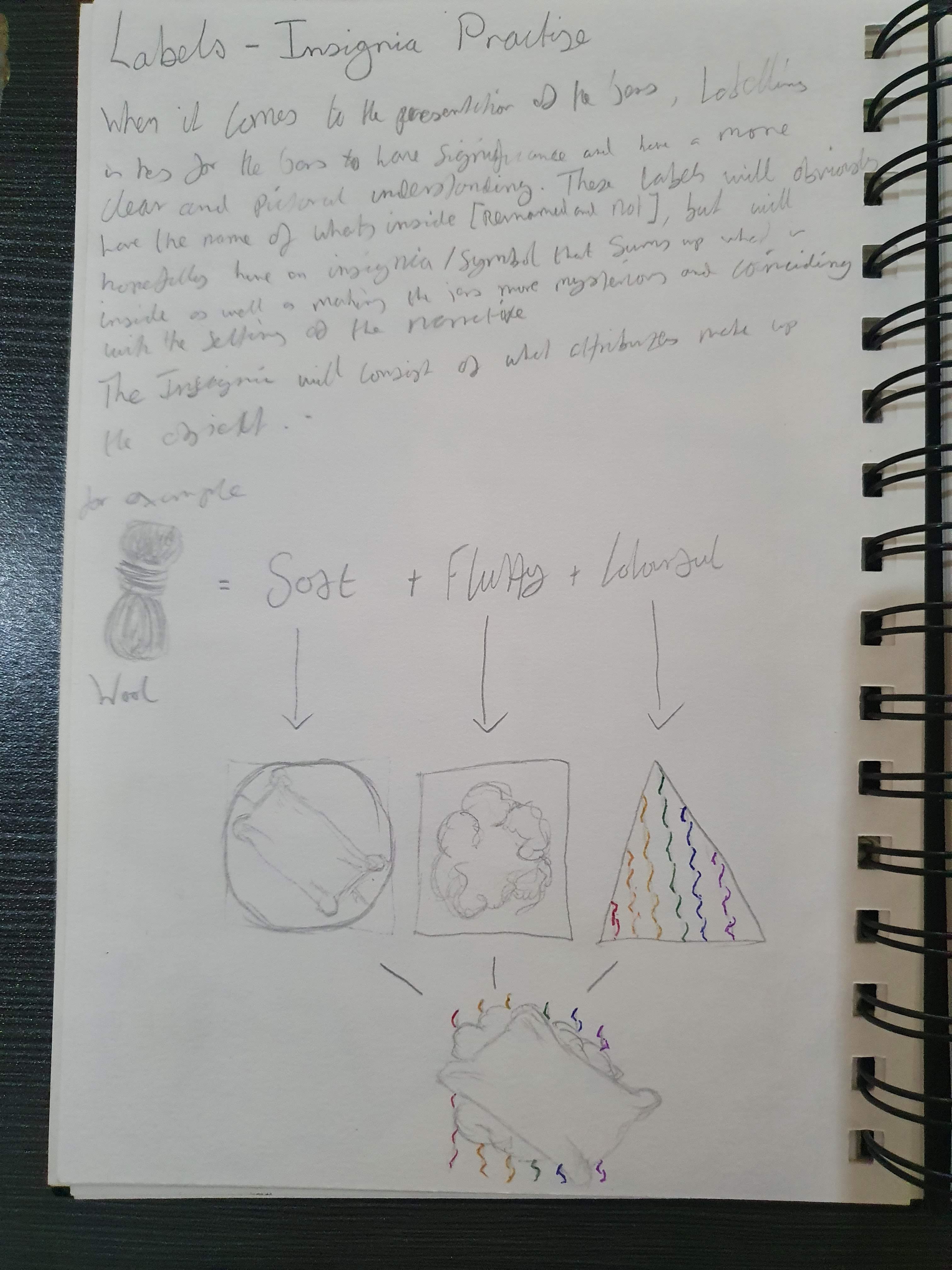
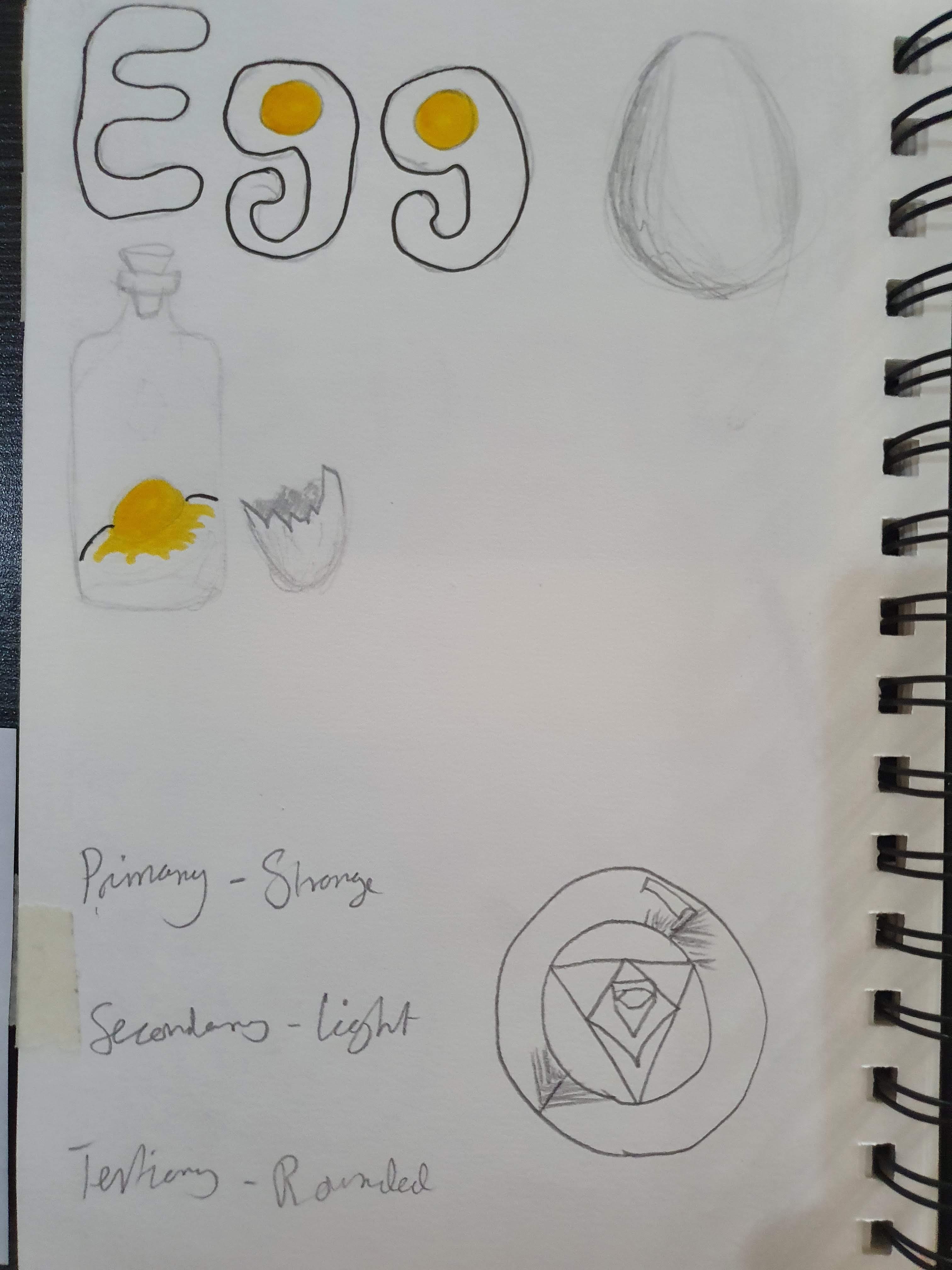
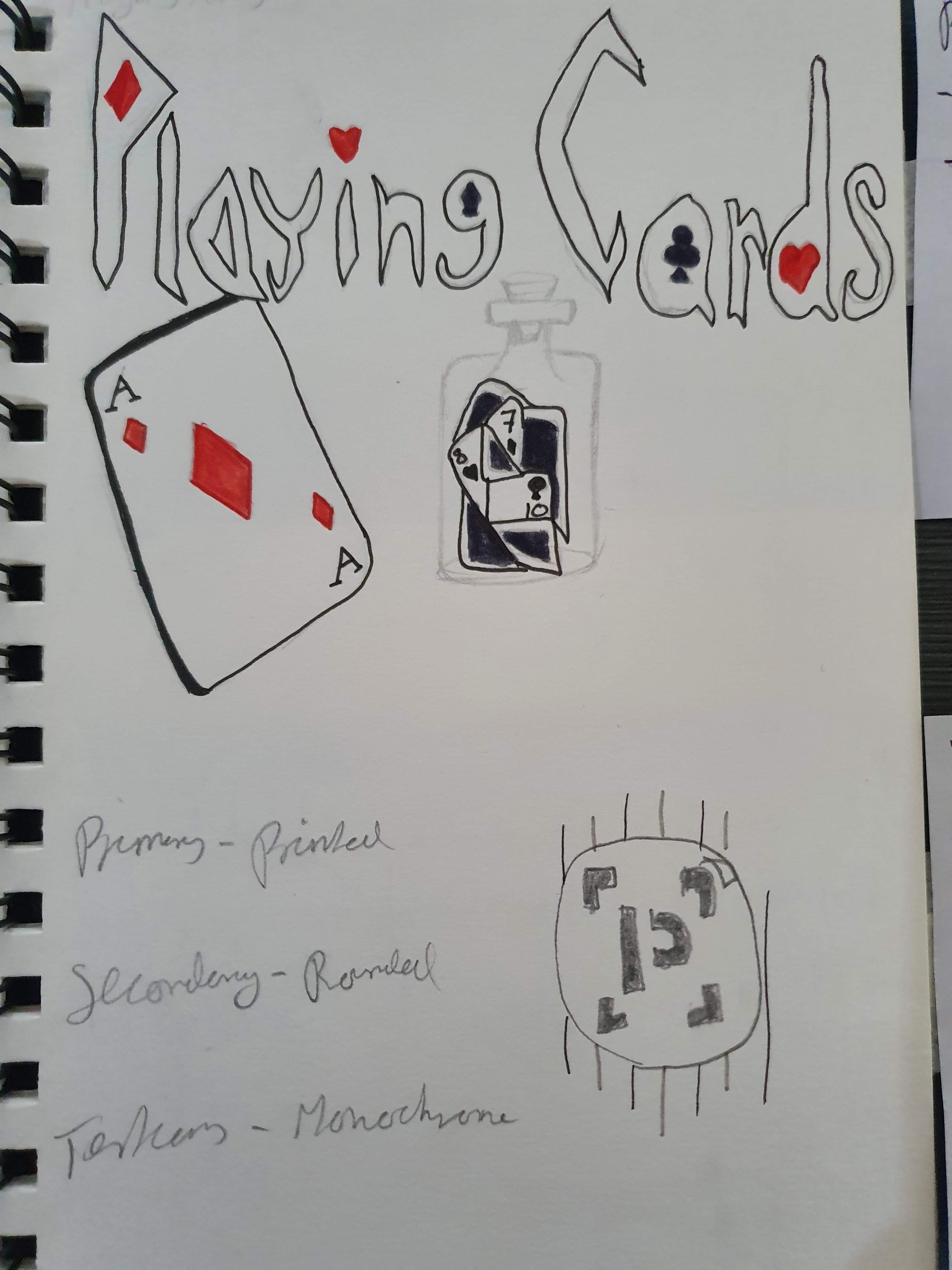
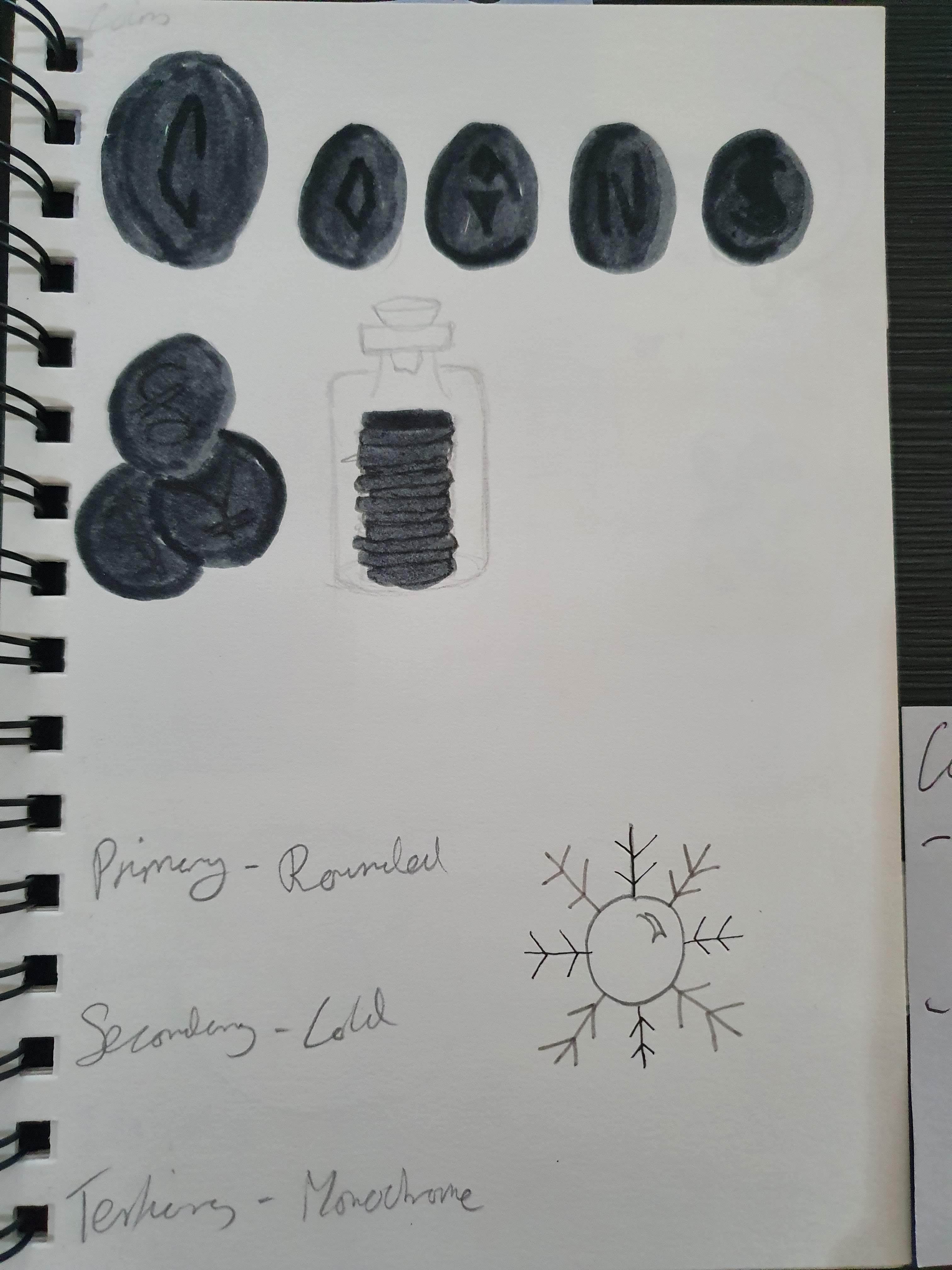
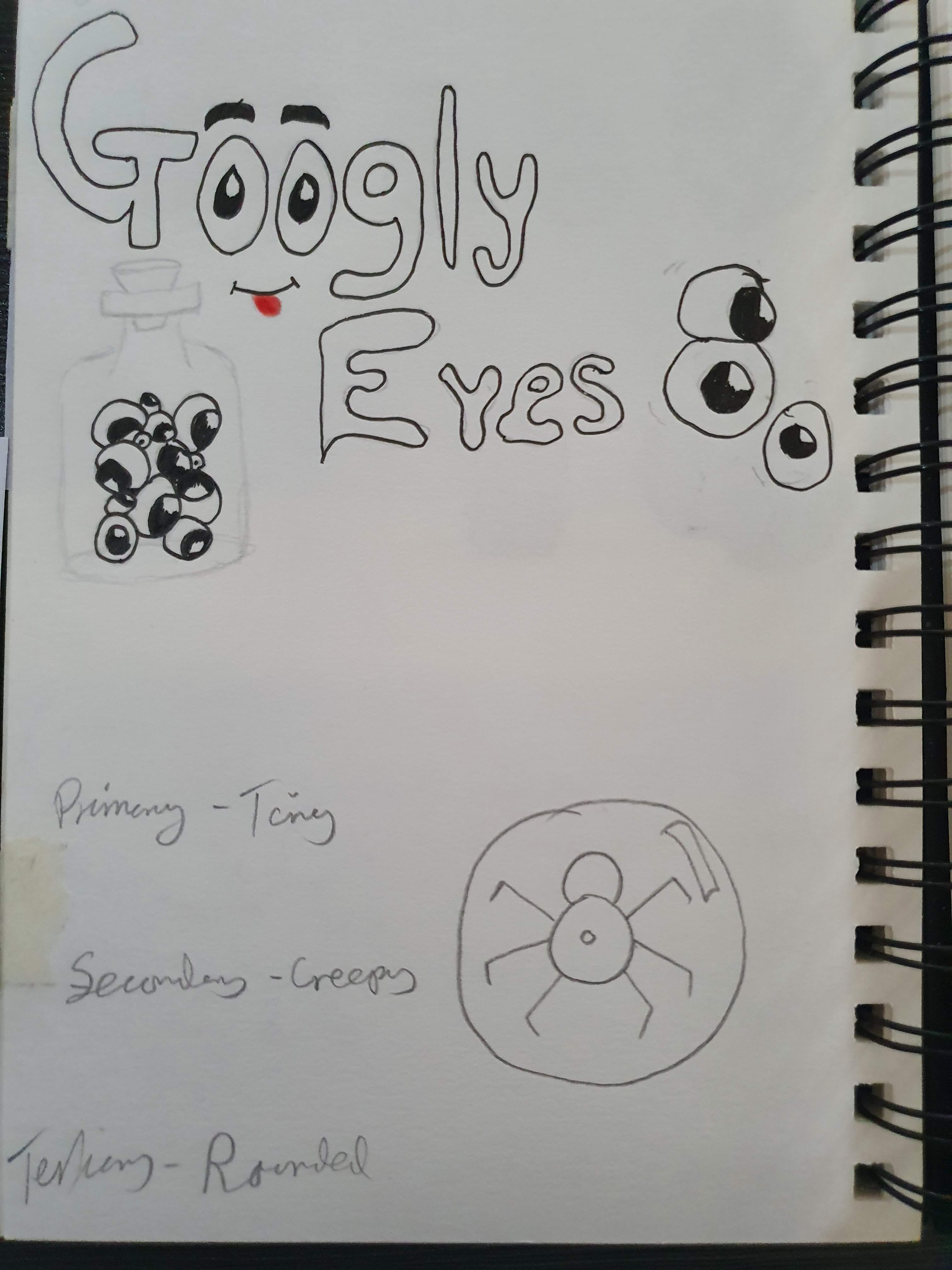
Since I was working with jars for the first time and I had this bizarre shop story in my head, I wanted to experiment with the creation of labels to signify the material attributes of what was in the jar. This would be achieved through layering different insignia on top of each other to create a form of emblem that showed what qualities the materials had in a simplified illustrated form. As mentioned before, due to the shift in my life these labels never really made it out of the planning stages but thankfully if I ever bring life to the story again down the line, this groundwork of this process will still be there to further develop and work on.


Material Collection + Material Profiles
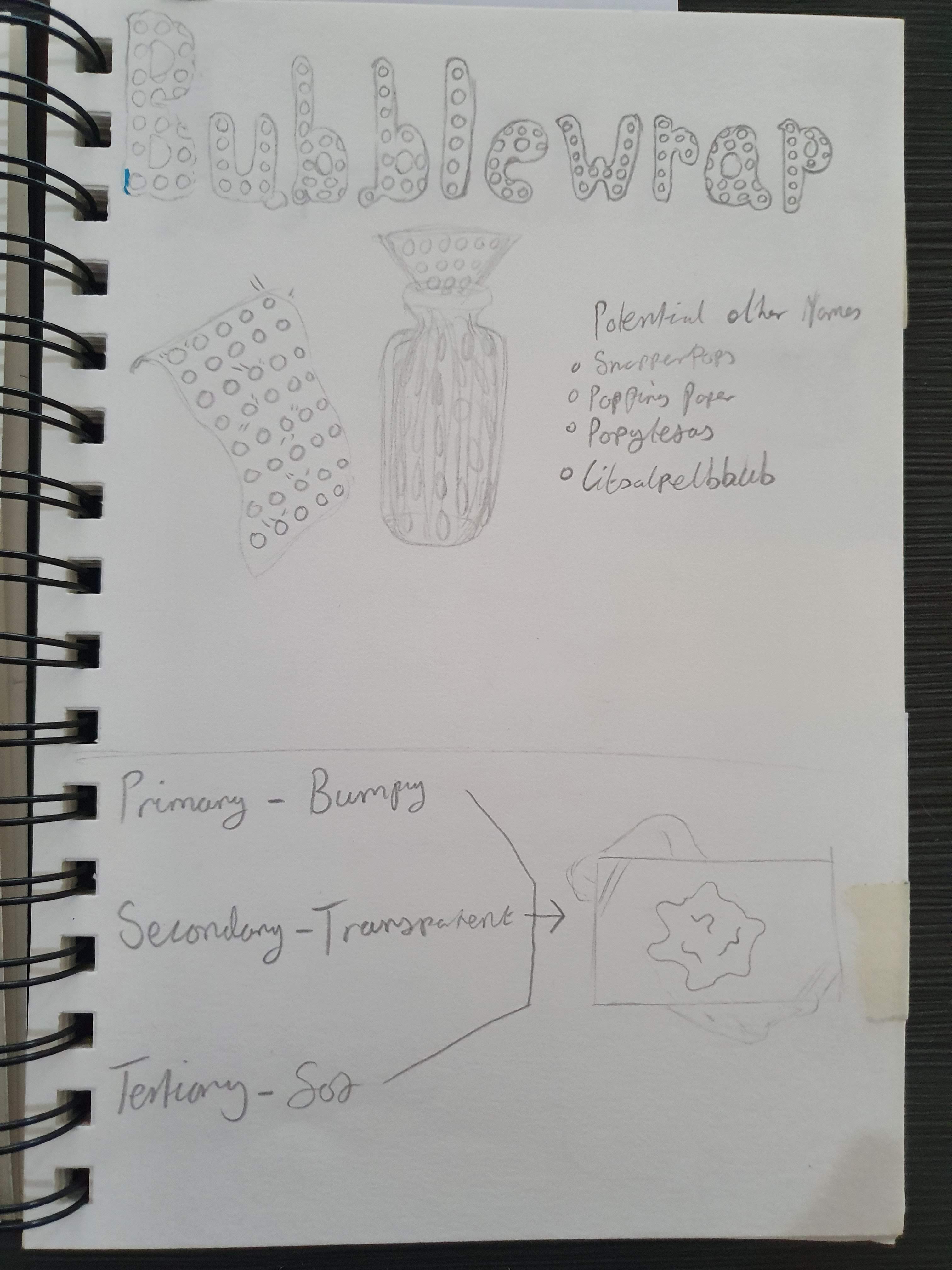
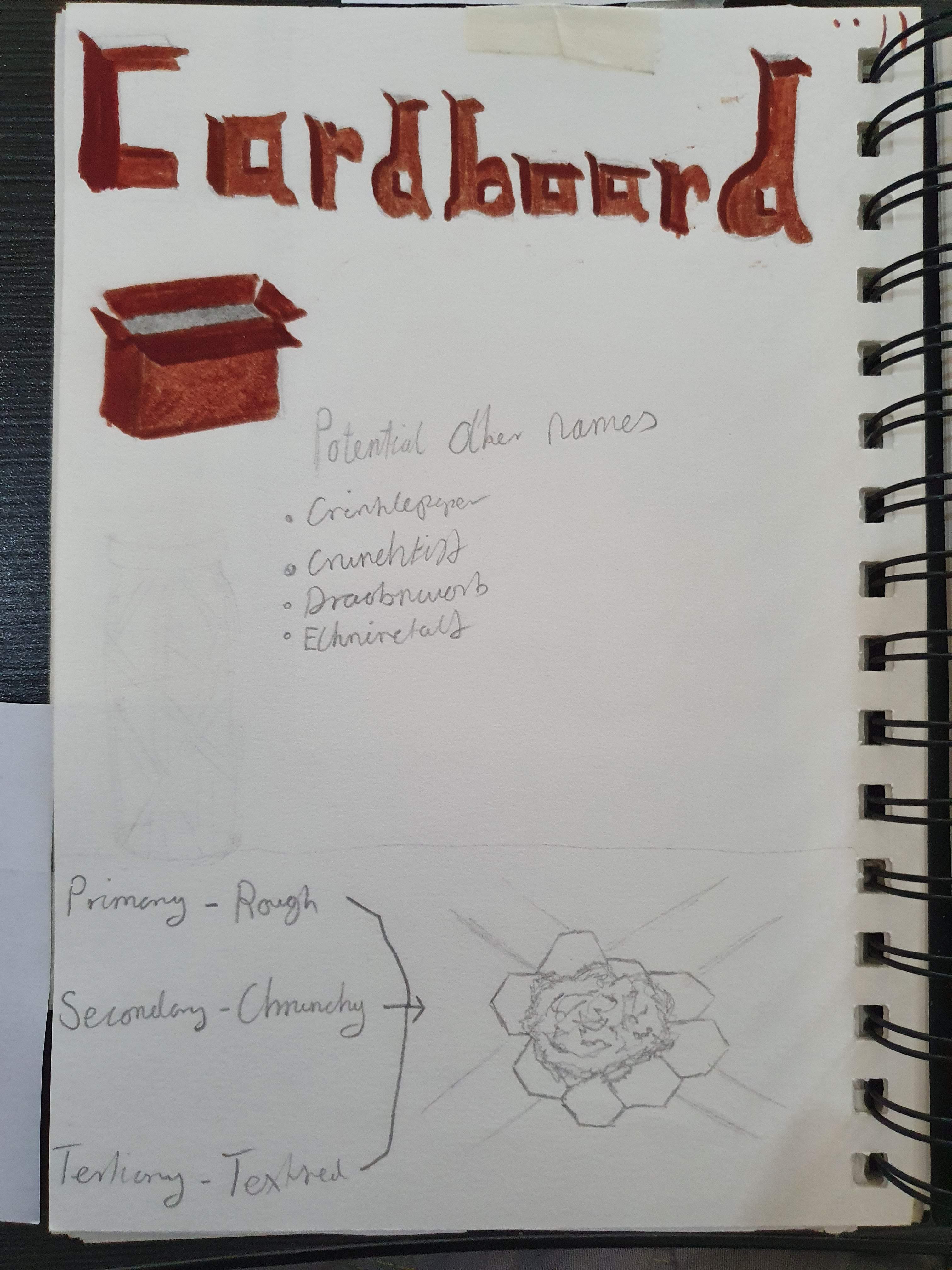
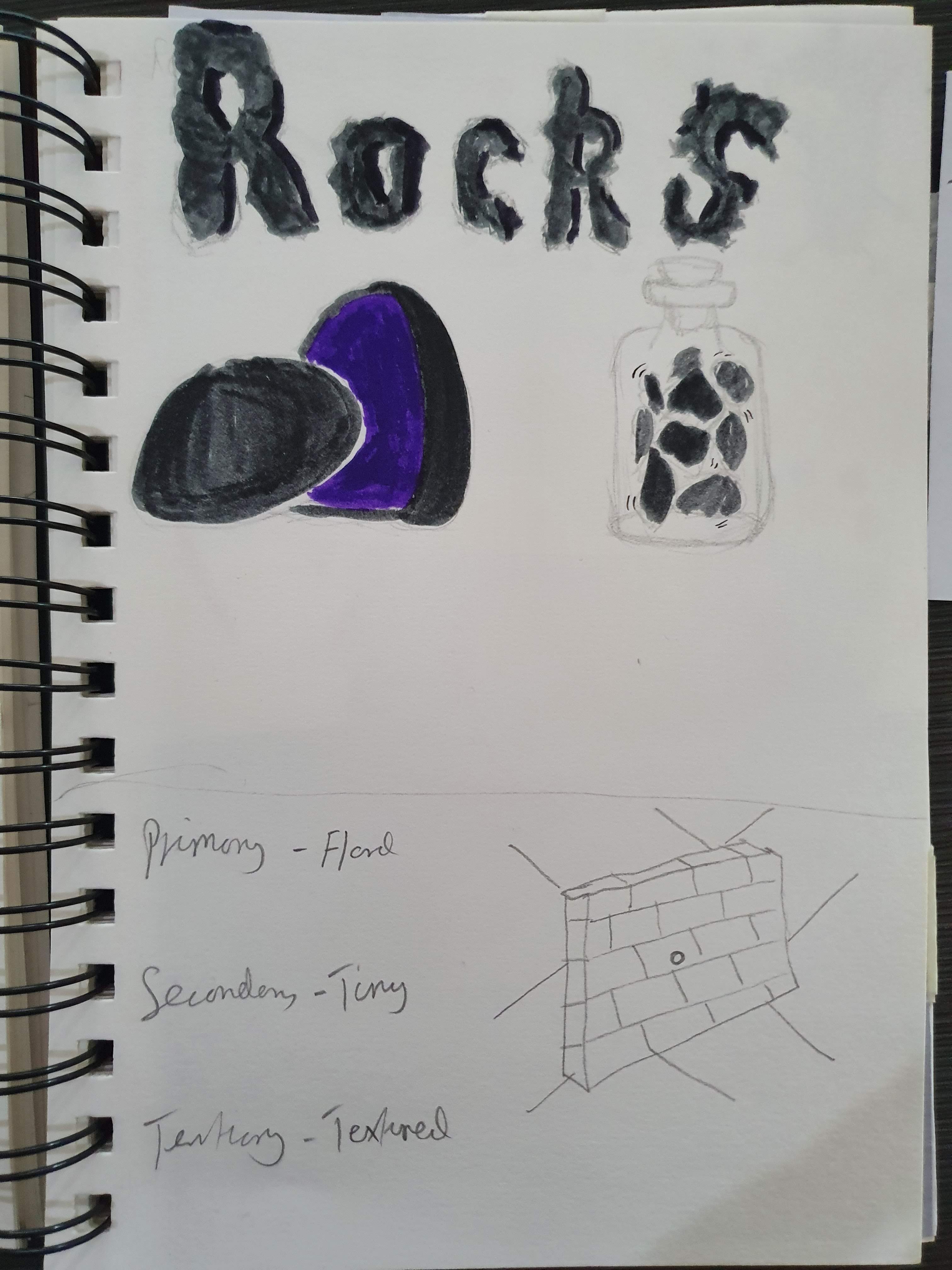
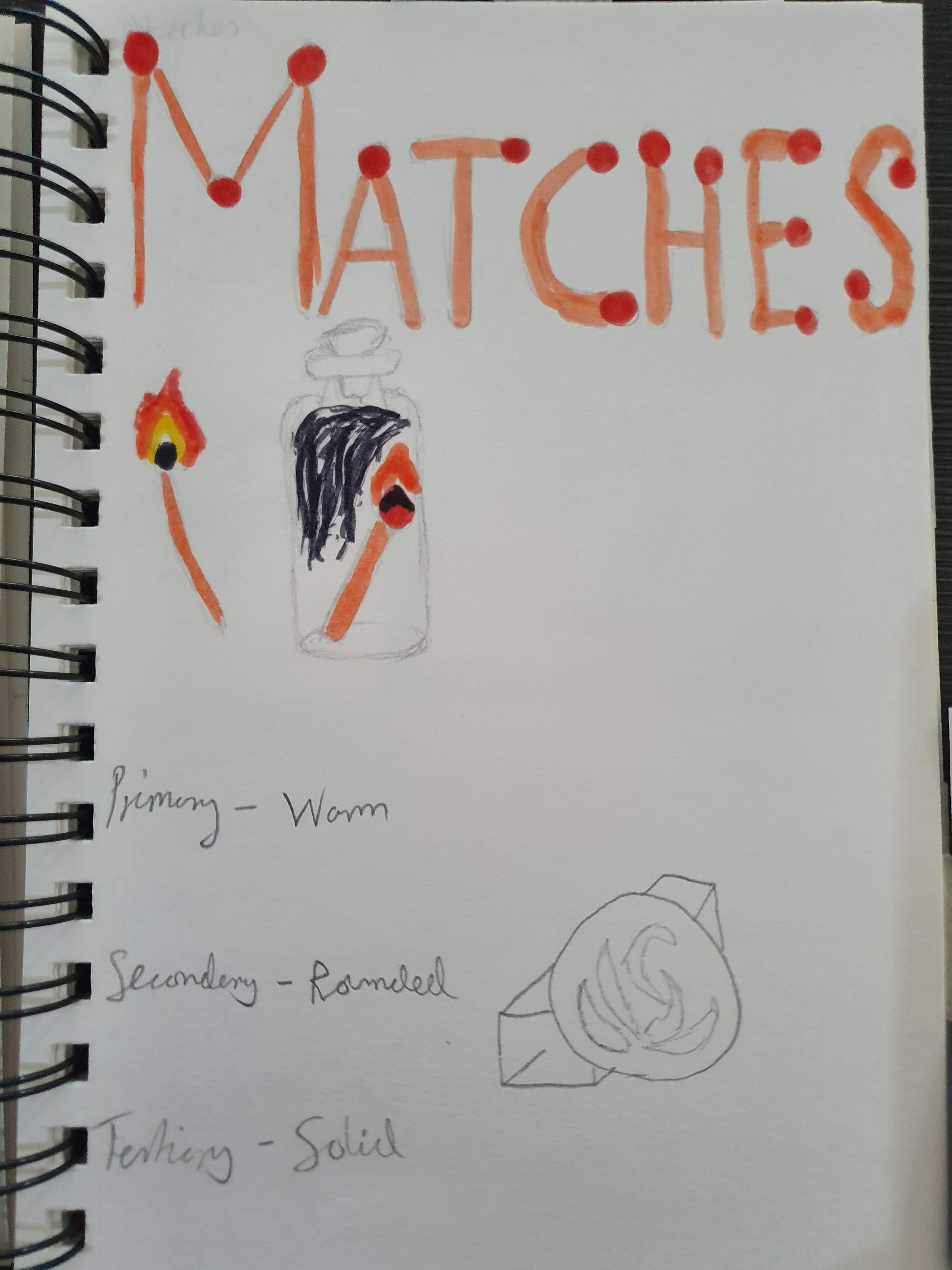
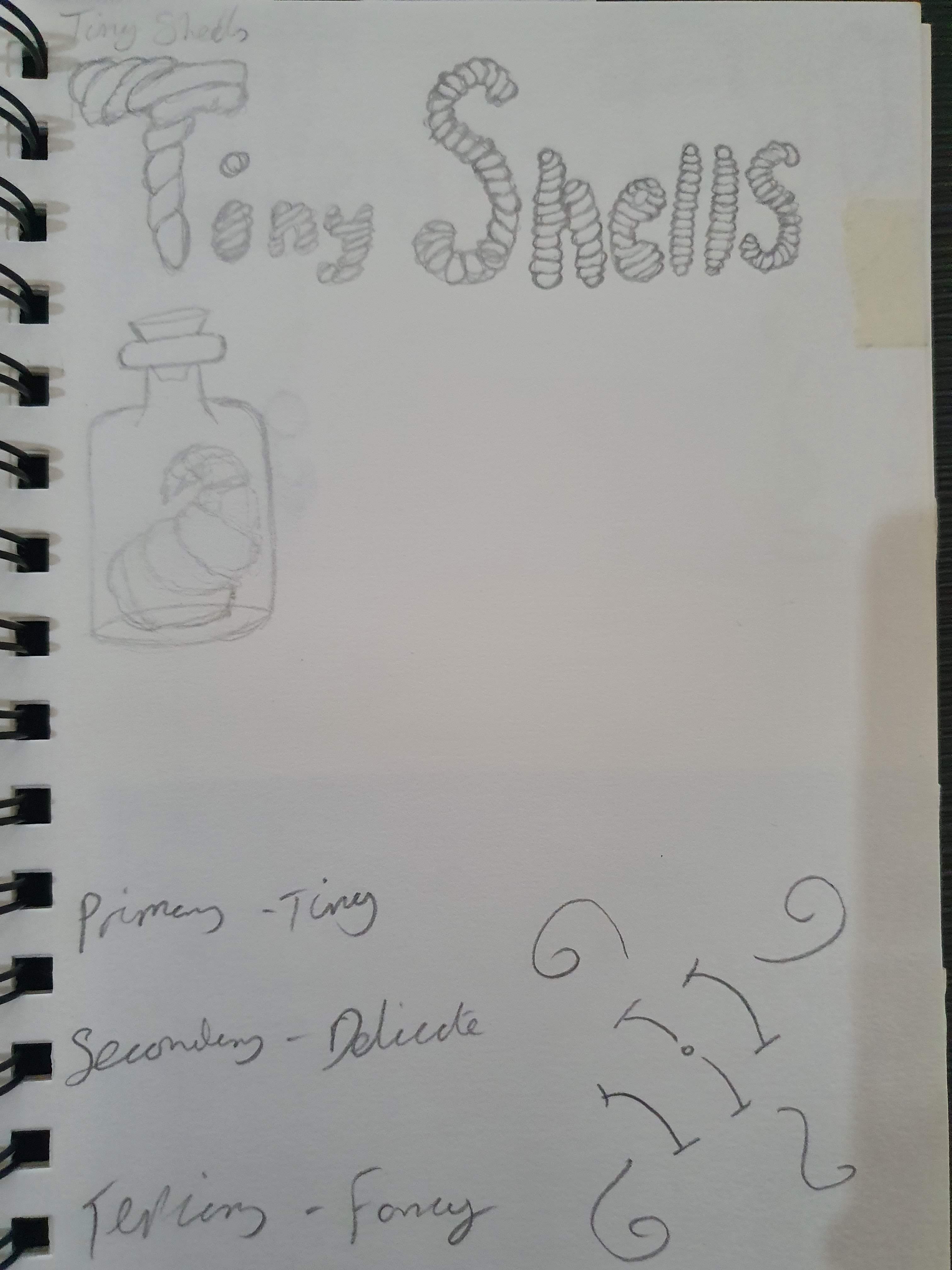
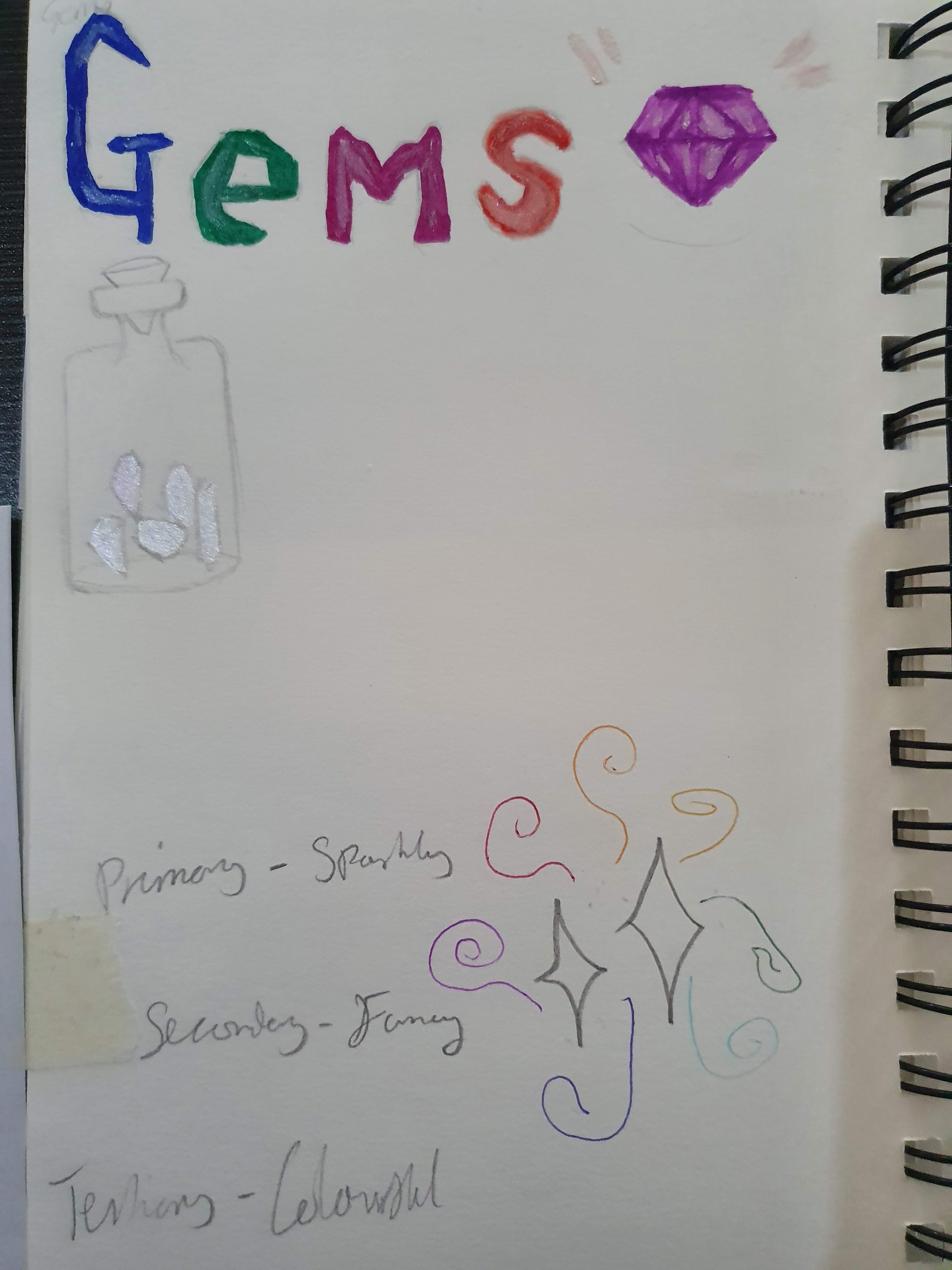
When it came to my Magpie Diary that I had constructed during the summer, it was mainly categorised by the qualities of the materials rather than the materials itself. So rather than make the jars follow that same framework, I decided to make profile pages for each material I wanted to showcase in a jar form. These profiles included illustrated titles, examples of the material itself as well as a list of qualities the material possessed. They were then combined with reasoning for their selected insignia labels and a rough concept drawing of how I initially envisioned the jar to look. Looking back on the project I take incredible pride in this aspect of the project and I still flick through the sketchbook itself as it actually makes for a brilliant reference guide as to what materials I have collected and can use in future projects.















Additional Jar Elements
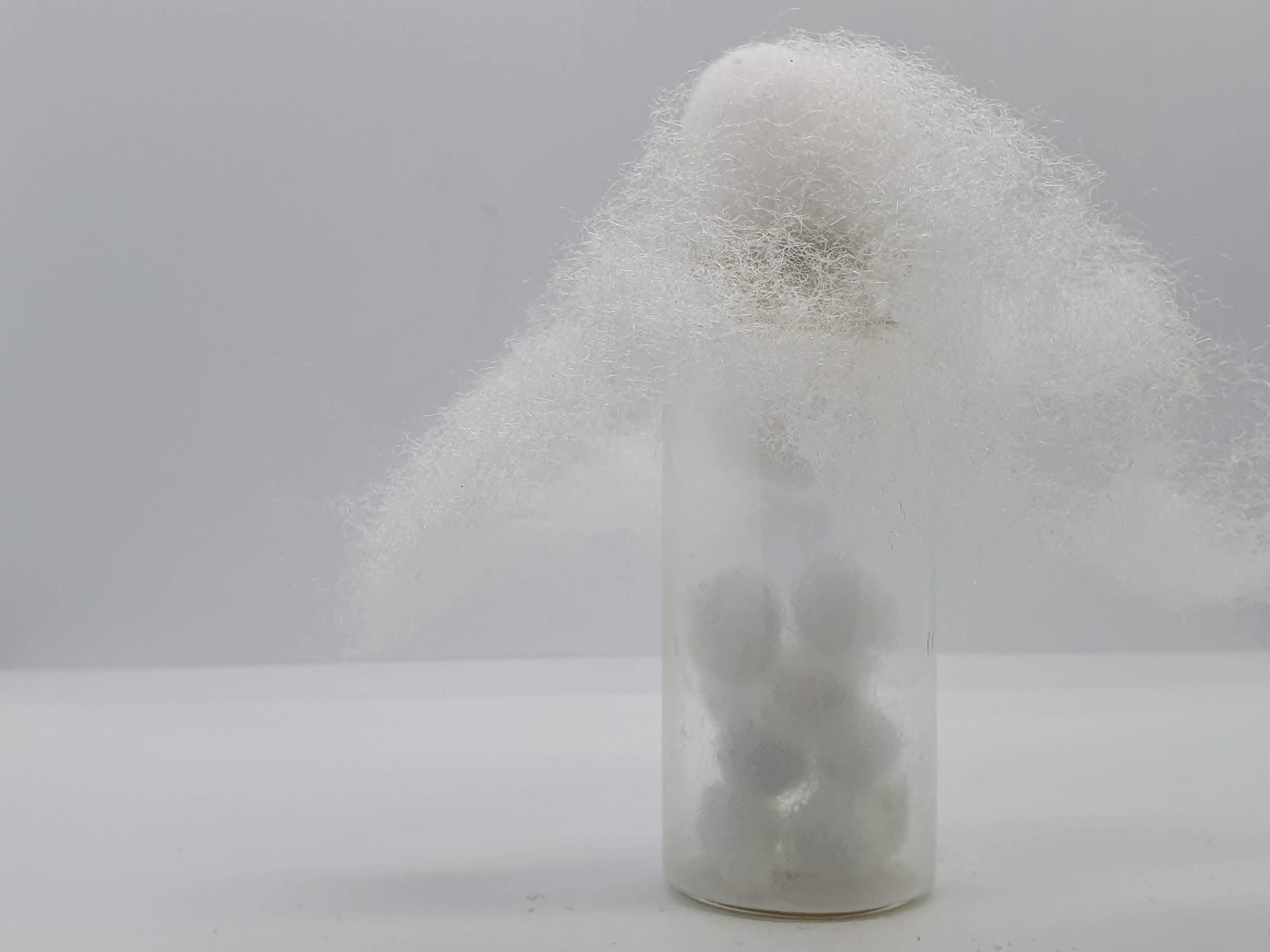
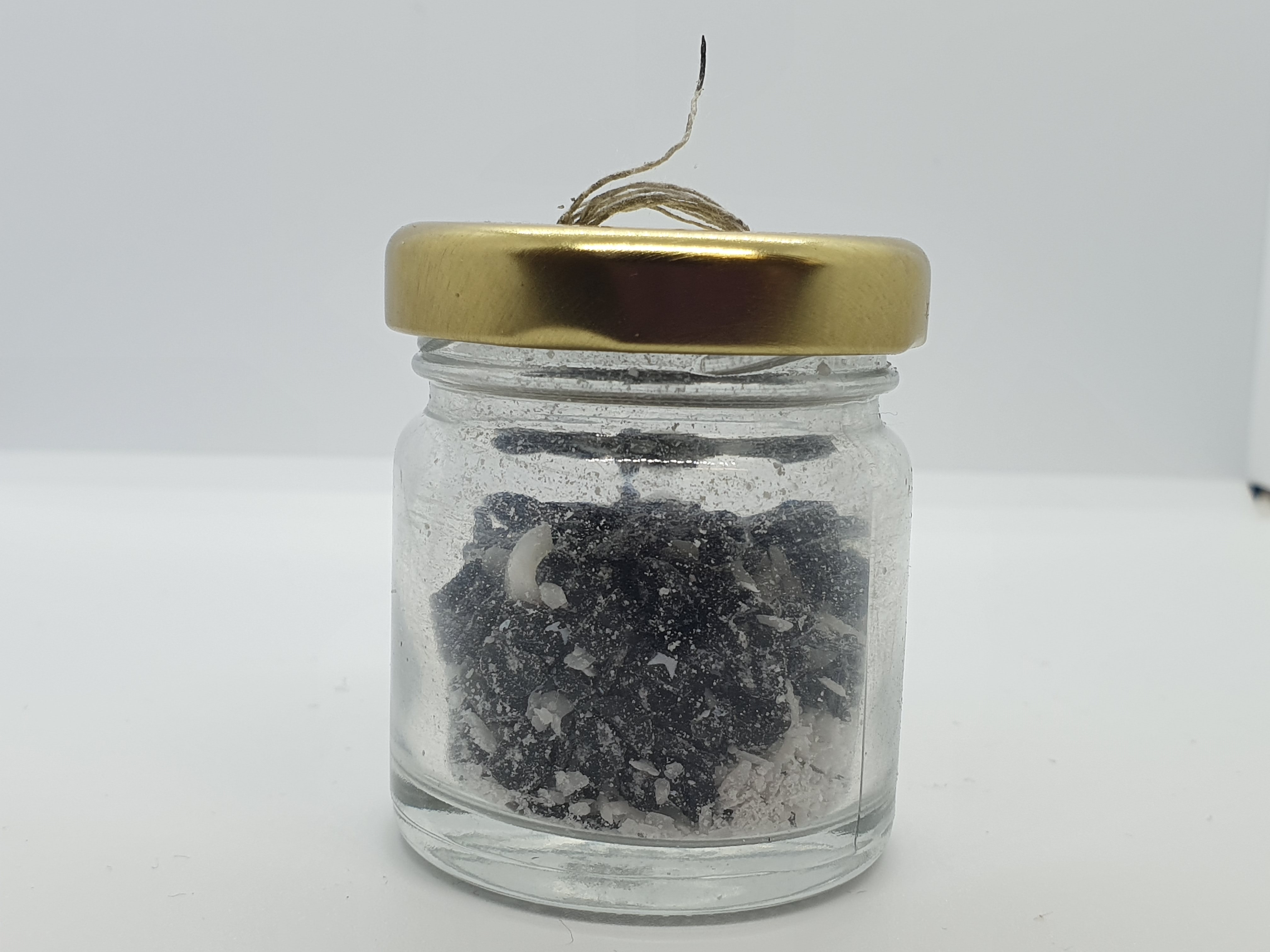
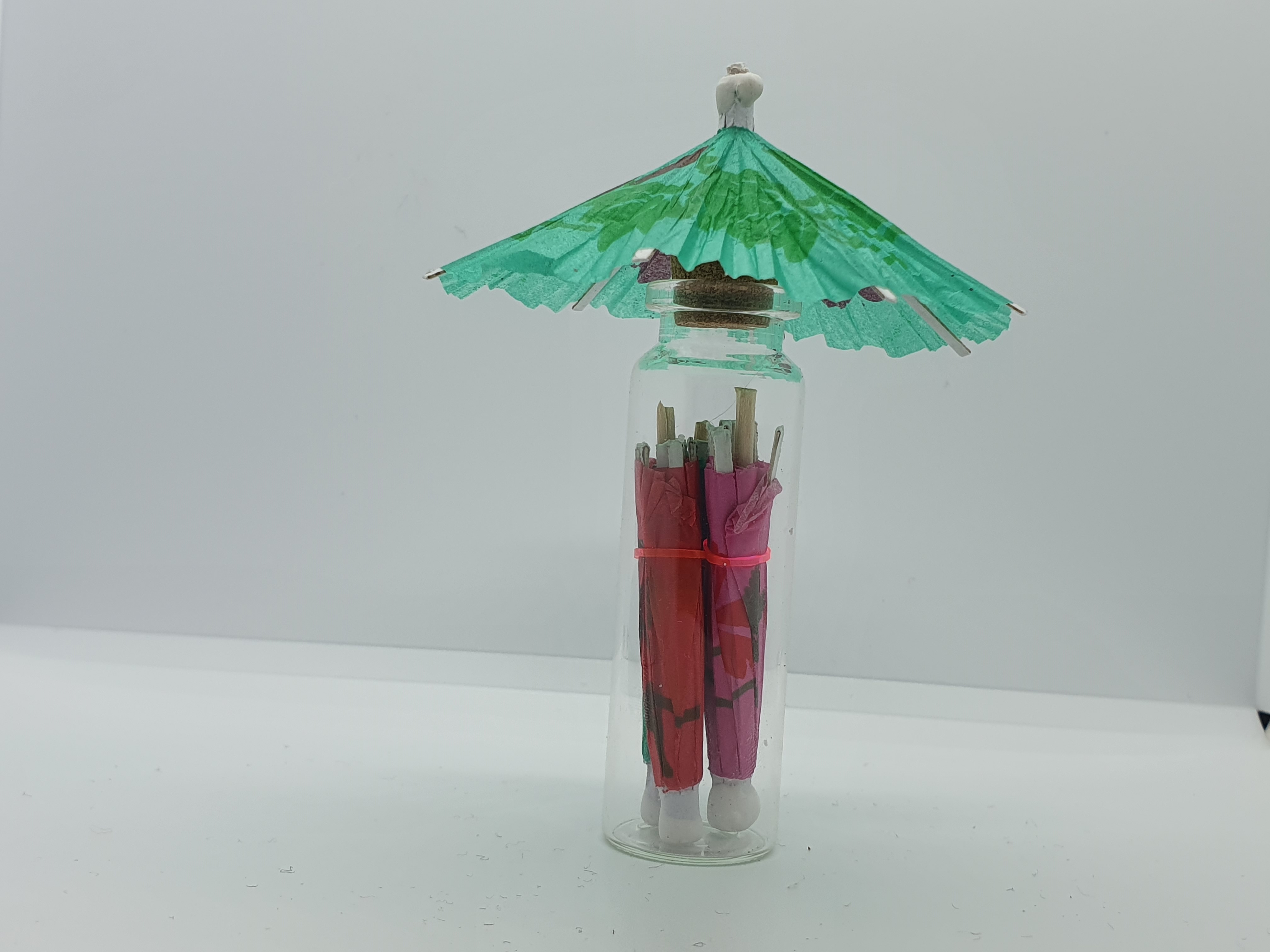
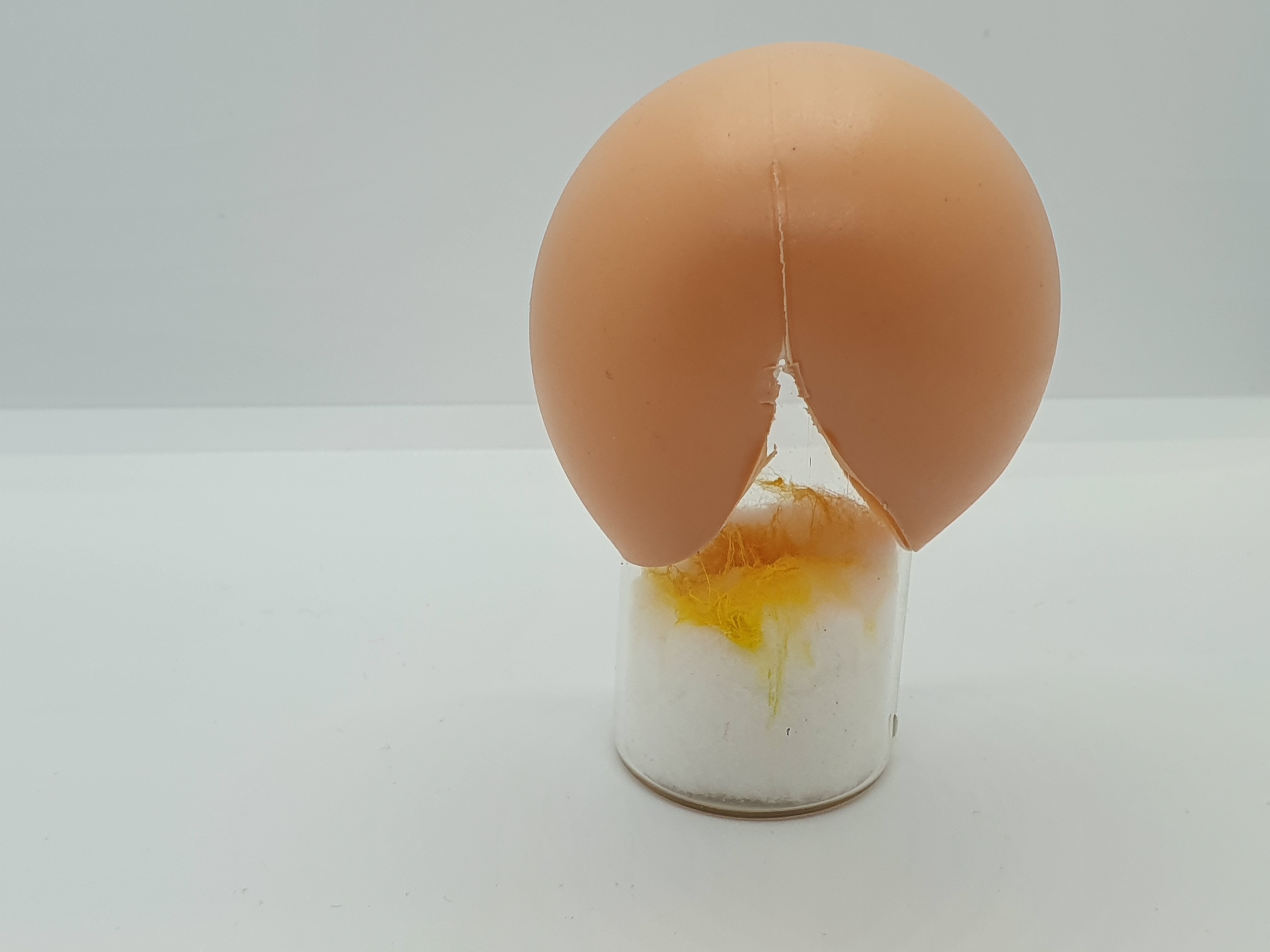
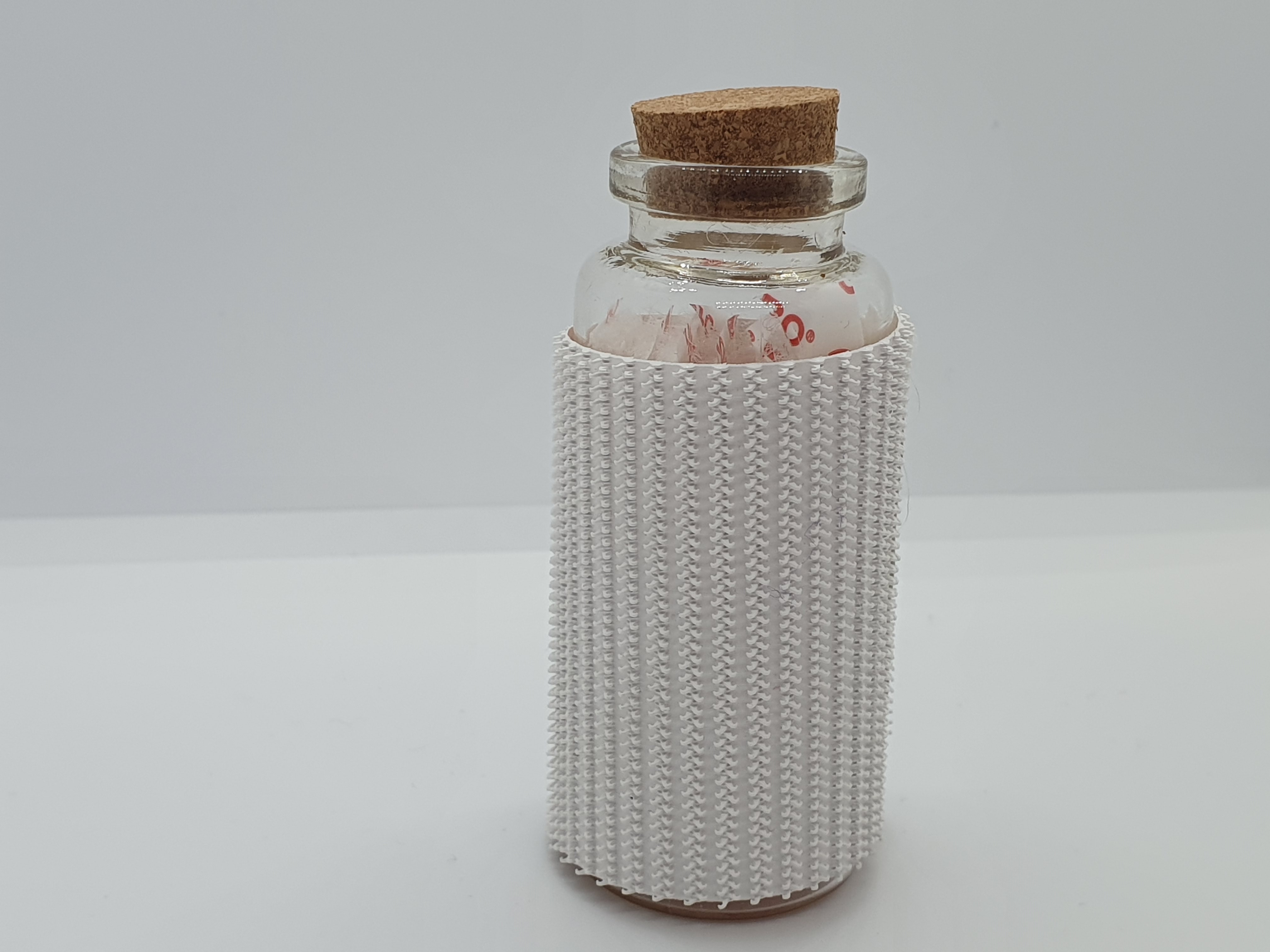
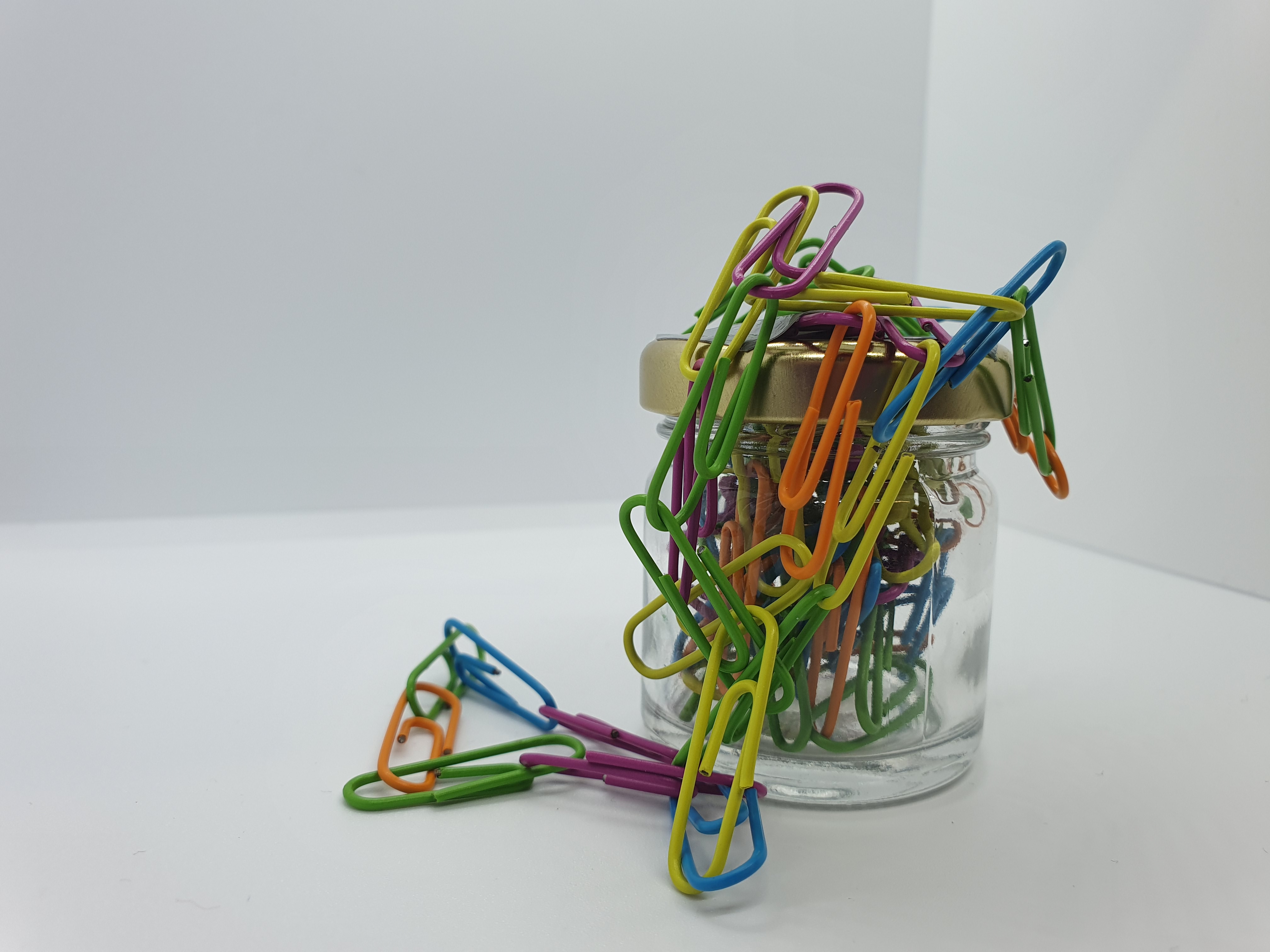
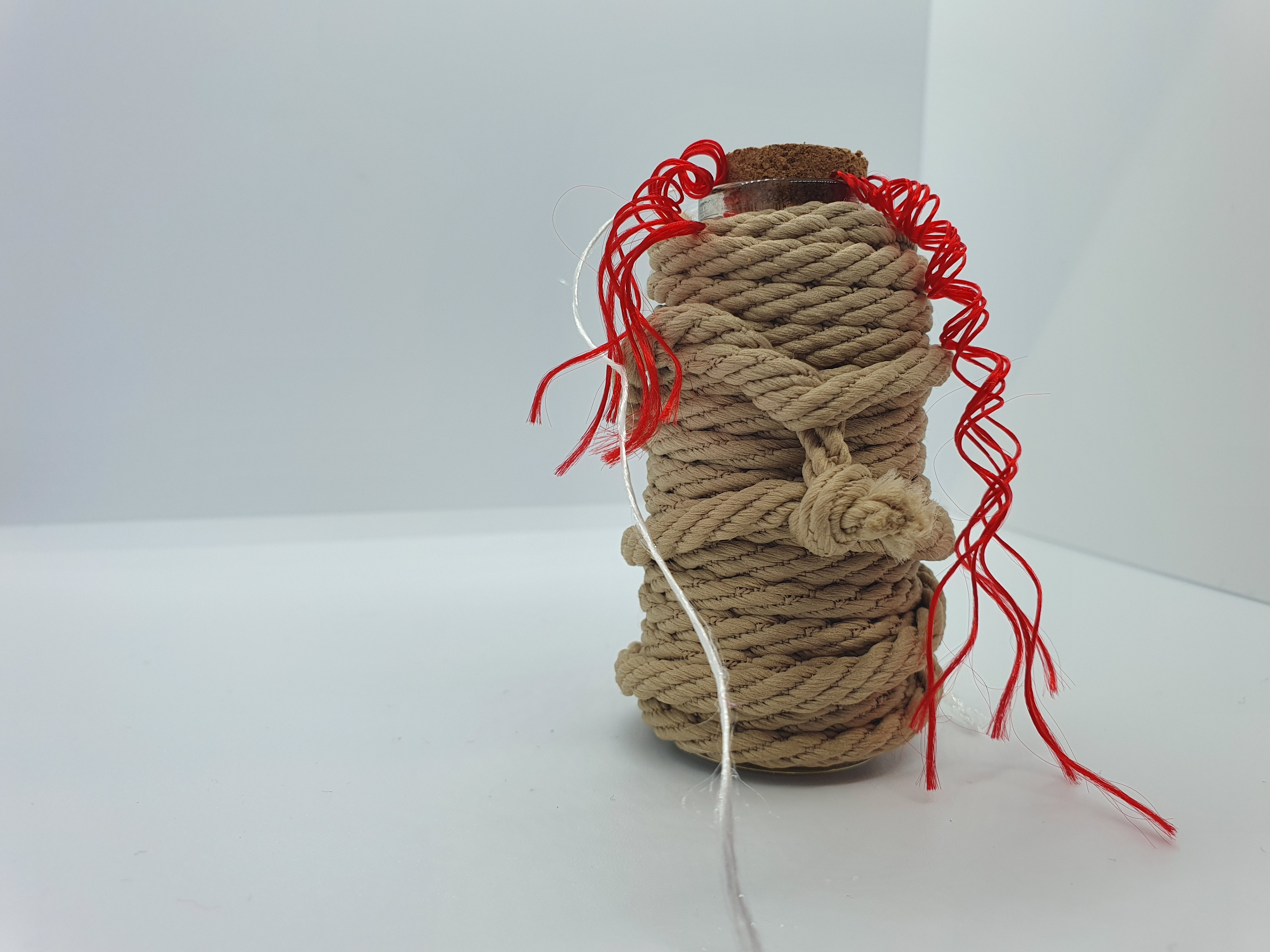
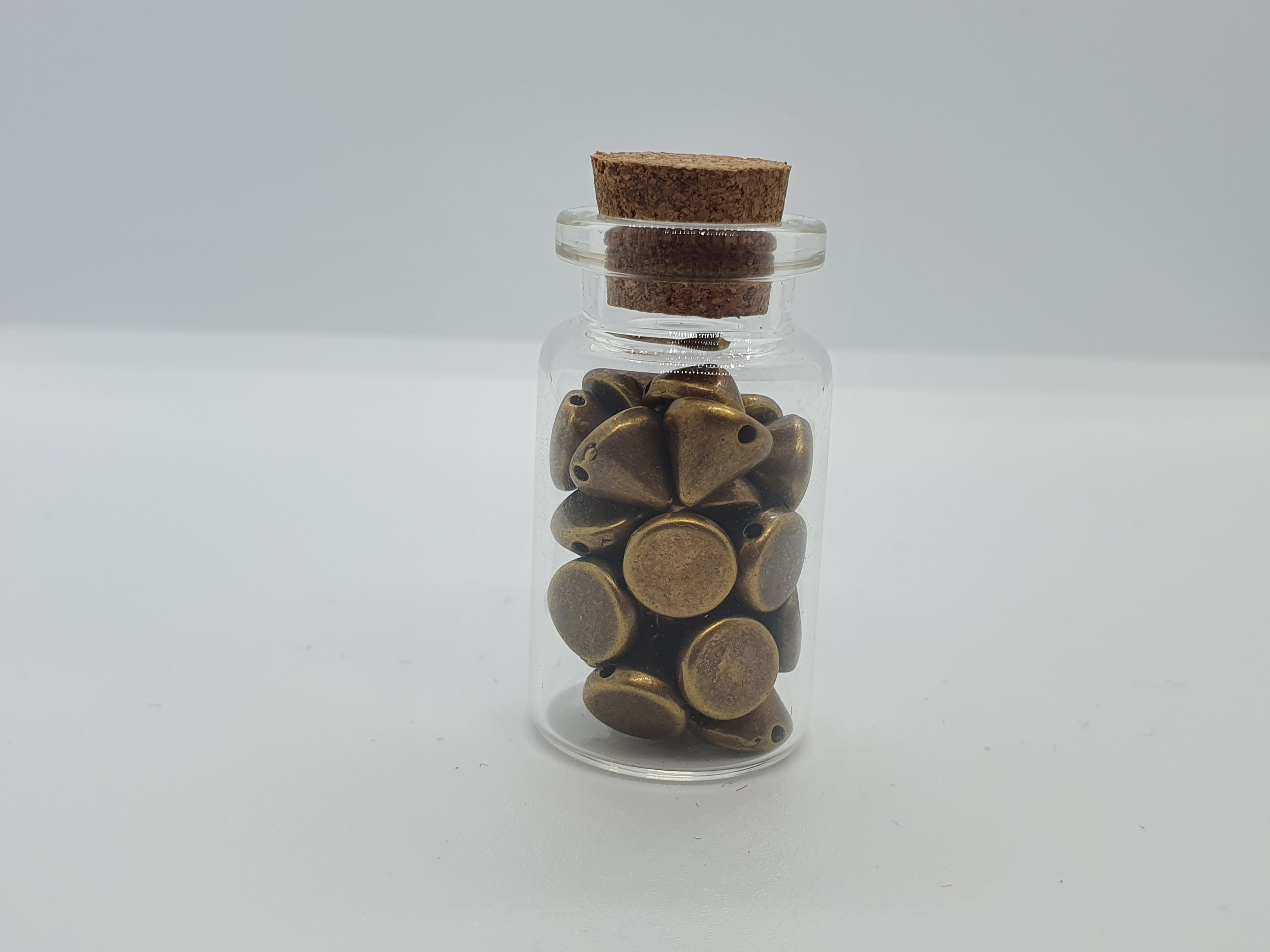
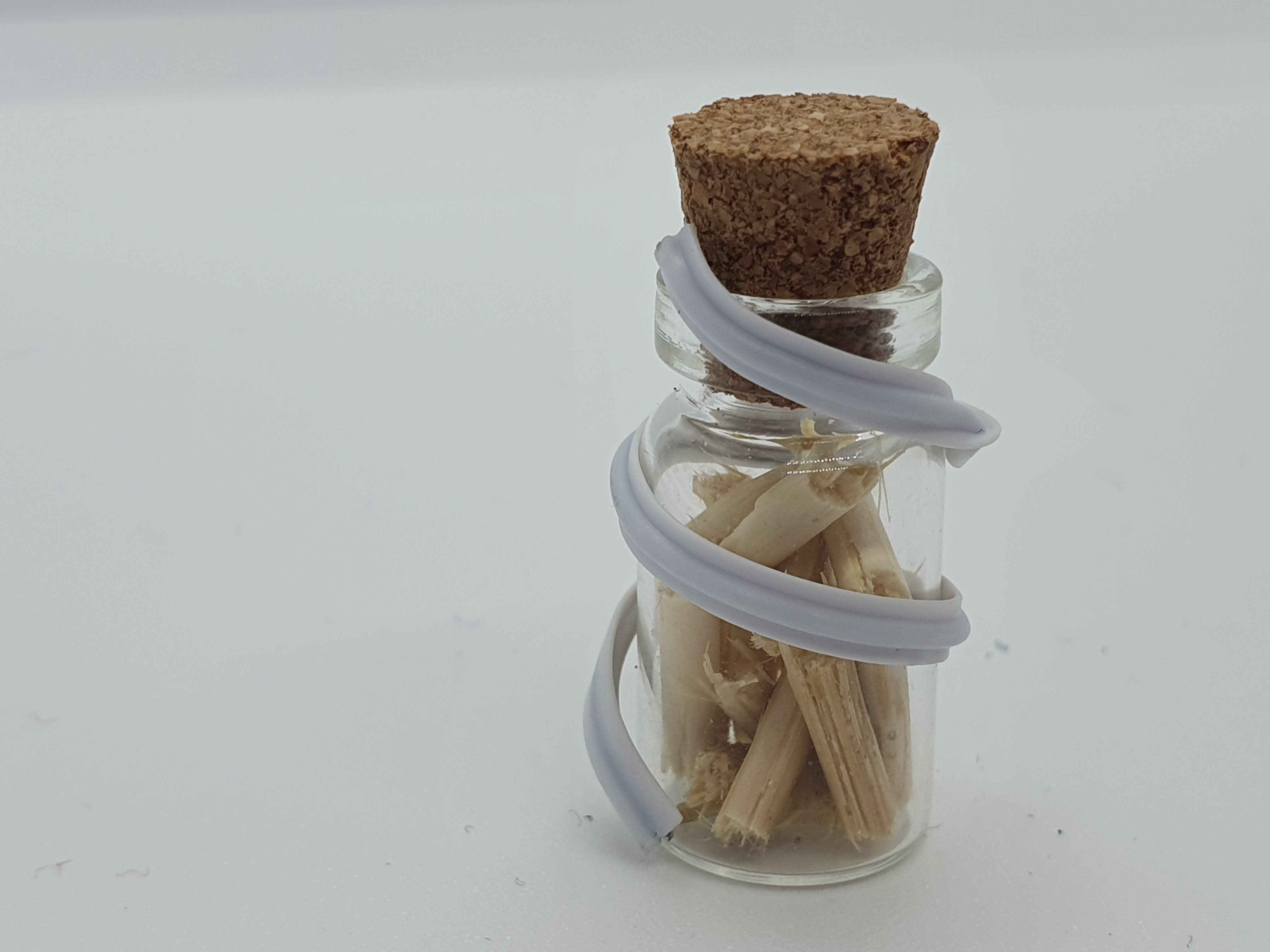
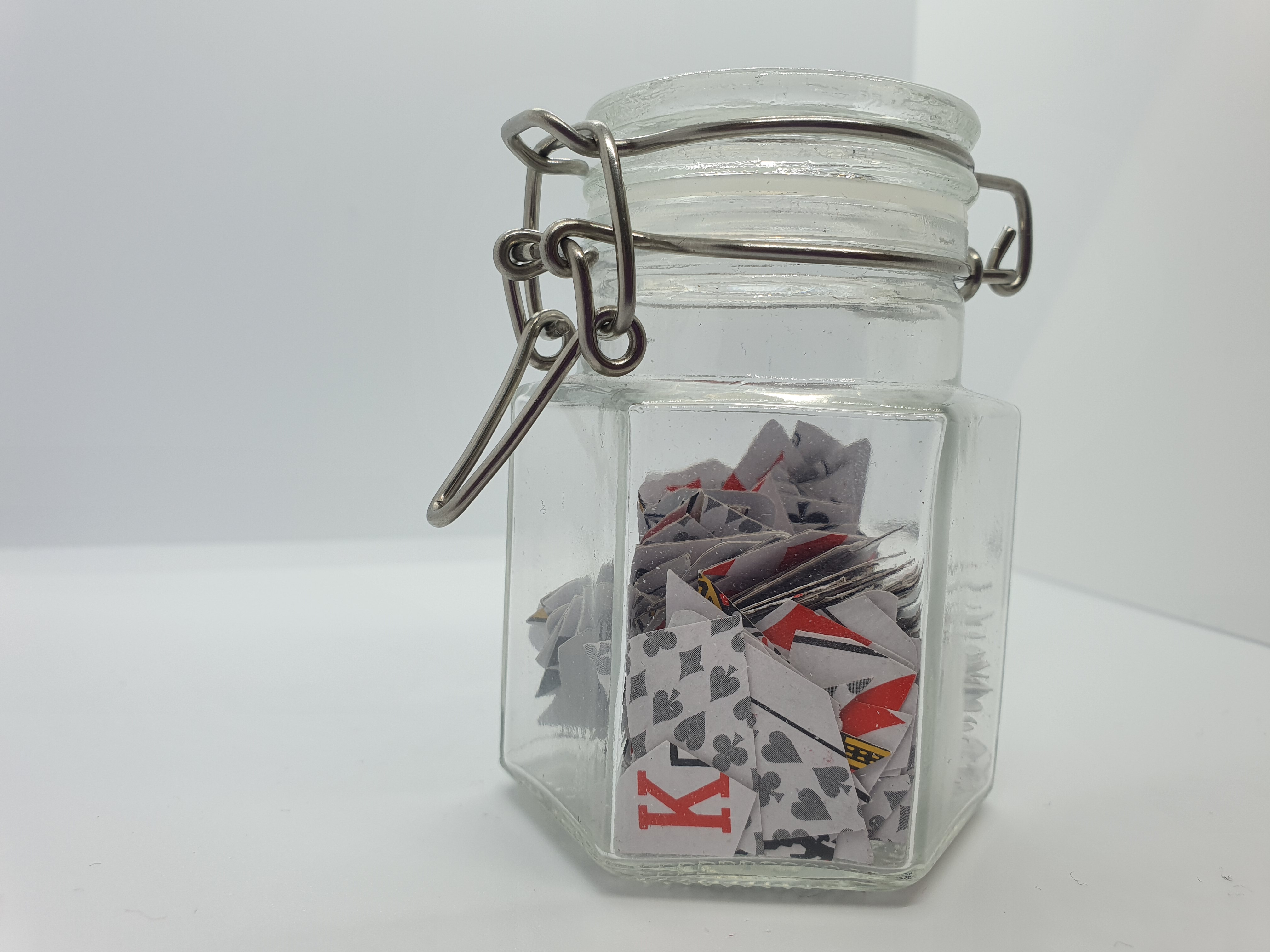
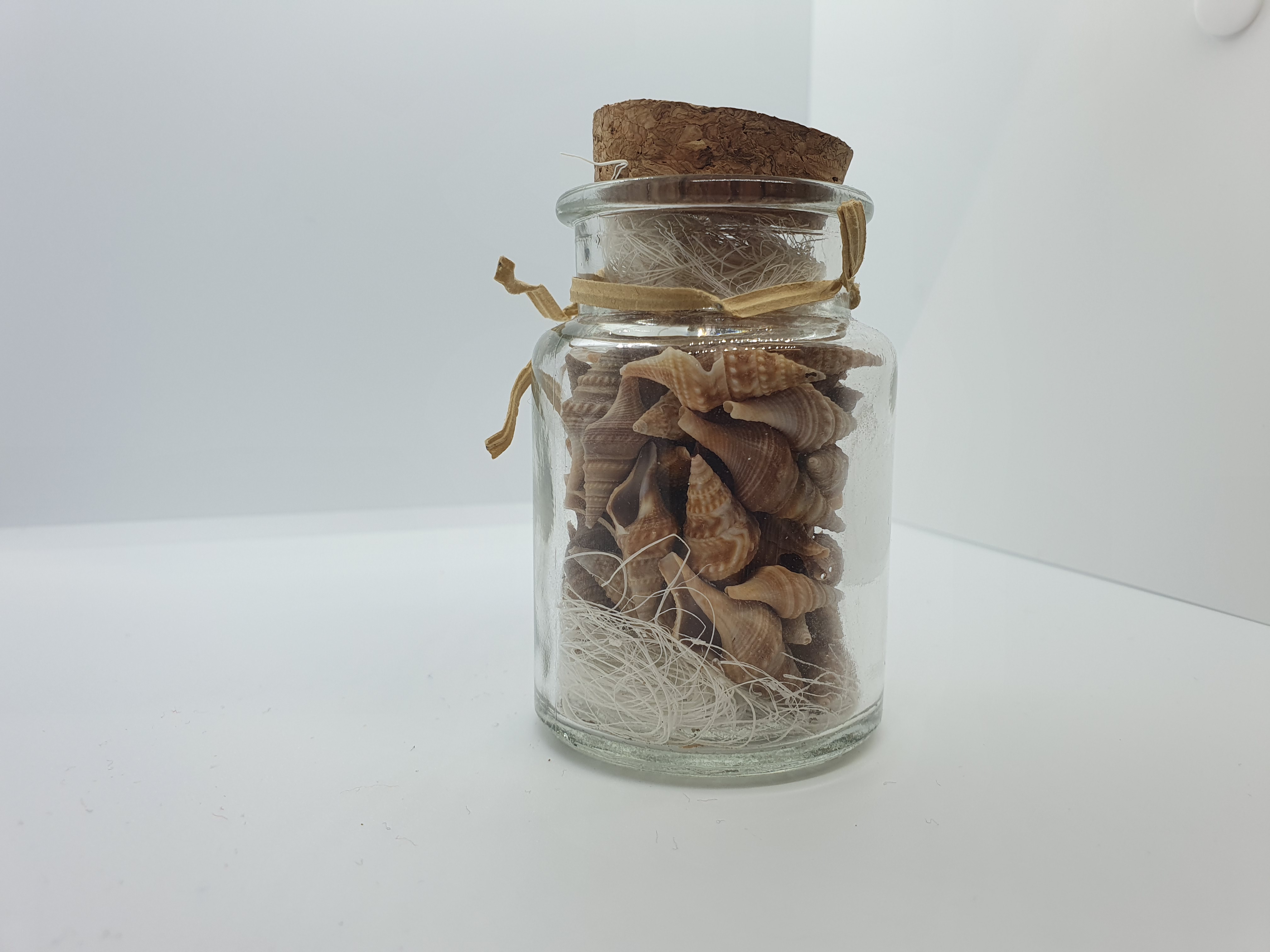
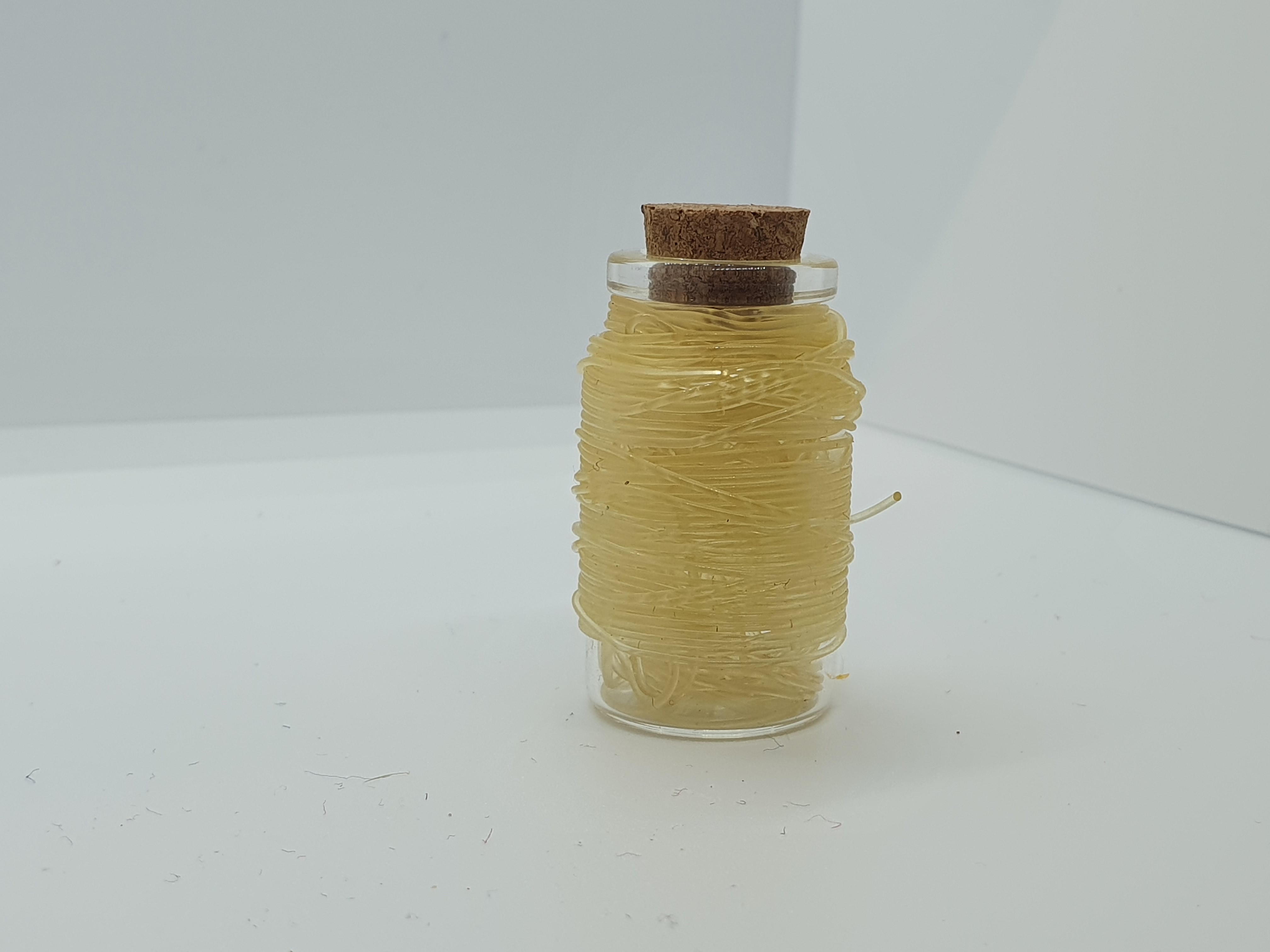
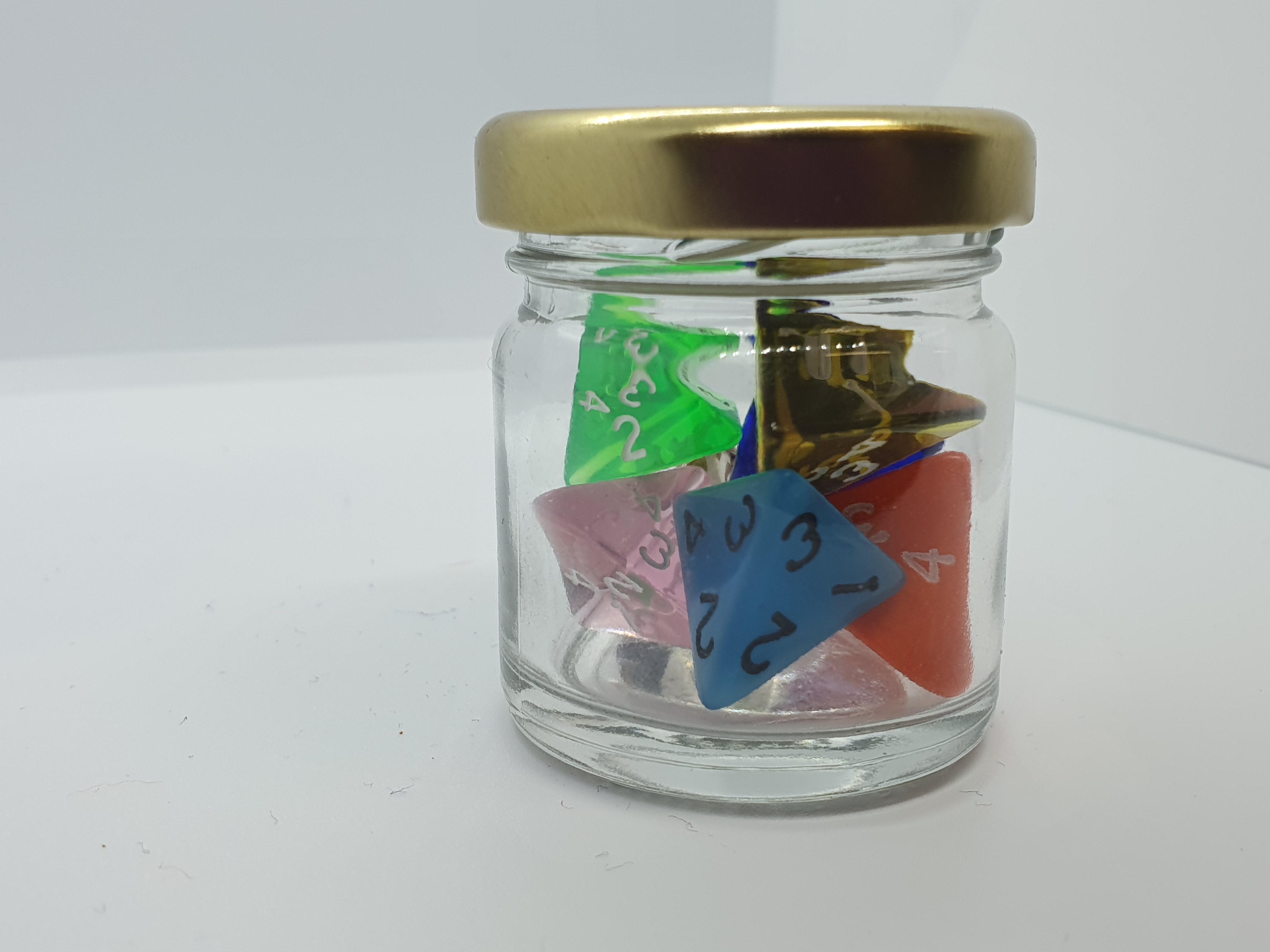
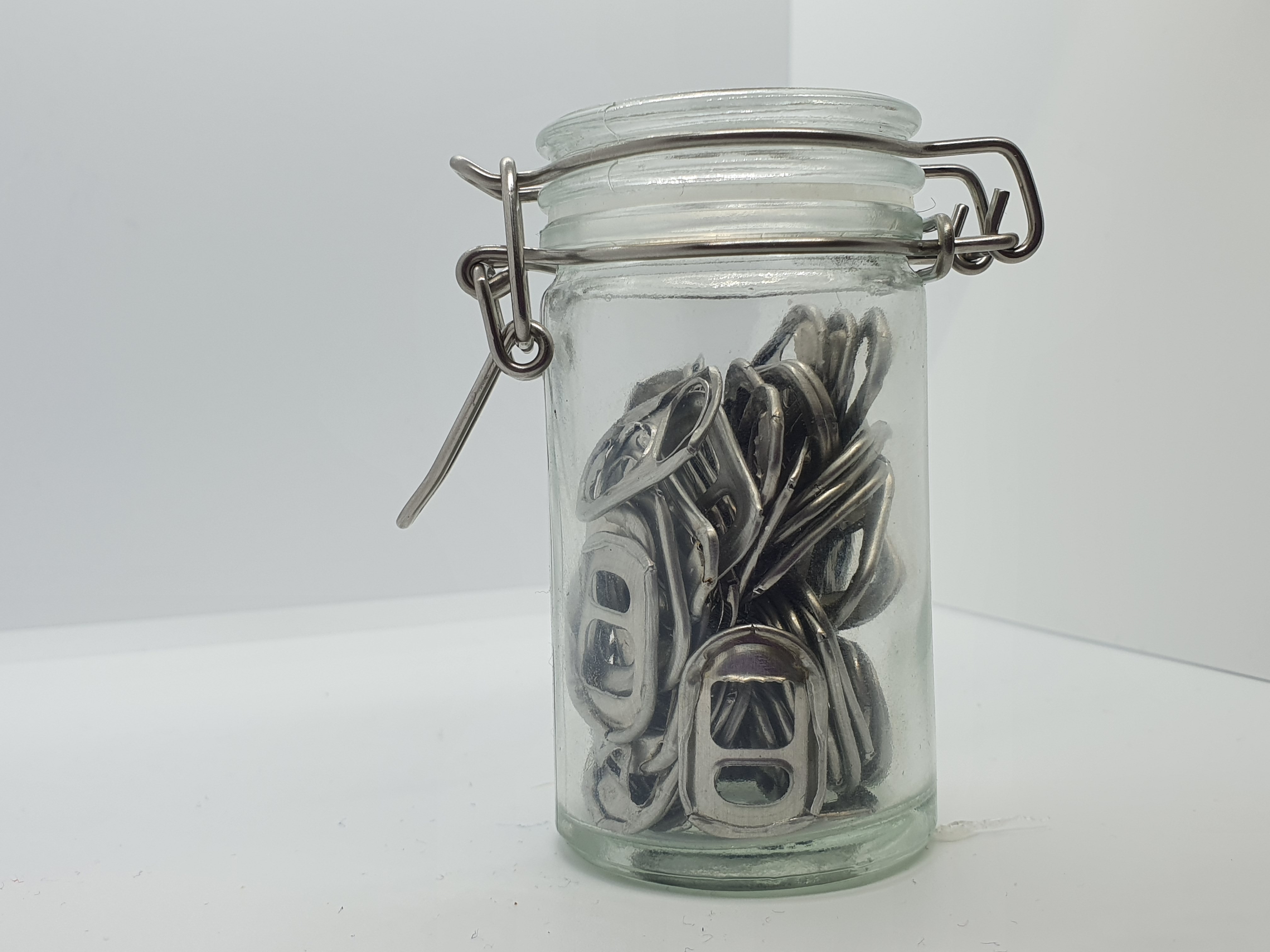
When it came to the actual construction of the jars, I wanted there to be a level of intractability to the project. Personally, I thought it would all look and feel a bit flat and boring if all my work just came to be a series of materials stuffed into jars and put on display. I wanted the jars themselves to have identity and elements added to them to help them stand out but to also bring more emphasis to what is inside. If I had more time, I would have loved to have experimented with forming my own jars to fill rather than adding elements to them externally but that would have been an ideal world.

Final Outcome
Overall I am immensely proud of what I have been able to accomplish during this first project given all the stress I had to deal with behind the scenes. Thankfully I had a lot of fun curating these jars and developing the overall style and how they looked together. Honestly, if I ever do come back to this project to bring life to the story that I pledge to bring back in some form, I am going to have a whale of a time just illustrating all of these wonderful jars and adding details I wish I could have done after retrospective thought. Thank you for reading and please, have fun looking at all the jars. Pick a favourite and you know what, make your own! Seriously, I feel like life would be a lot more fun if we kept things in more bizarre containers rather than the usual boring blank pots and jars. Even if it doesn’t have a use, it is always nice to have something fun to look at when life gets you down.




















 Samuel Mathias